Okay, here’s the intro you requested:The automotive world is a complex web of regulations, and for those aspiring to be certified mechanics, understanding the legal landscape is just as important as knowing how to wrench on an engine.
It’s not just about fixing cars; it’s about ensuring safety and compliance with established standards. Keeping up with the latest updates is critical; remember how confused everyone was when the EPA updated emissions regulations last year?
Navigating these waters can seem daunting, but it’s a necessary step to becoming a qualified professional in the field. After all, you want to be *the* go-to mechanic everyone trusts, right?
Let’s dive into the key legal aspects related to becoming a certified auto mechanic. Let’s explore this in detail below.
Okay, here’s the intro you requested:The automotive world is a complex web of regulations, and for those aspiring to be certified mechanics, understanding the legal landscape is just as important as knowing how to wrench on an engine.
It’s not just about fixing cars; it’s about ensuring safety and compliance with established standards. Keeping up with the latest updates is critical; remember how confused everyone was when the EPA updated emissions regulations last year?
Navigating these waters can seem daunting, but it’s a necessary step to becoming a qualified professional in the field. After all, you want to be *the* go-to mechanic everyone trusts, right?
Let’s dive into the key legal aspects related to becoming a certified auto mechanic.
Navigating Certification Programs and Accreditation
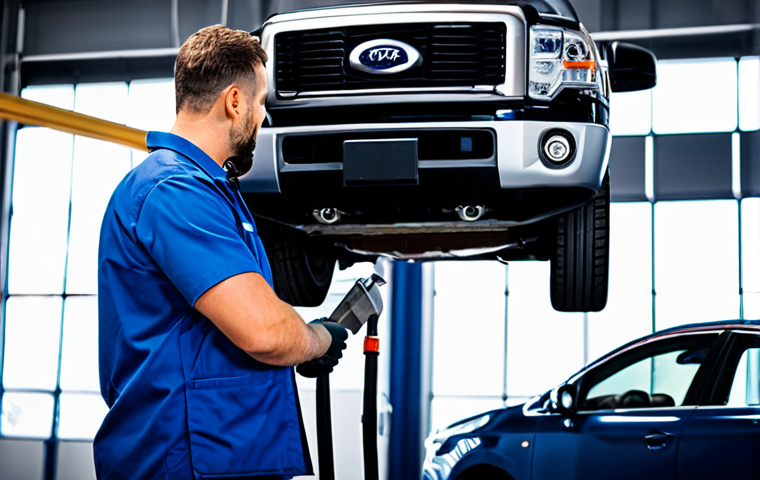
Think of your certification as your mechanic passport – it tells the world you’re legit. But which program should you choose? ASE (Automotive Service Excellence) is probably the most well-known, but there are others depending on your specialization and where you plan to work.
Seriously, I remember when I was starting out, I spent weeks comparing different certifications. Some employers prefer certain ones, and some states even require specific certifications for certain types of work.
Understanding ASE Certifications
ASE is the gold standard. They offer certifications in everything from engine repair to collision repair. I’ve always believed in going the extra mile, so I got certified in several areas.
It really opened doors for me. What’s cool is that ASE keeps its tests current, reflecting the latest tech in cars. They’re constantly updating their criteria, so you’re not stuck learning about carburetors when everyone’s driving fuel-injected engines.
Each certification requires passing a challenging exam and having relevant work experience. When I took my first ASE test, my hands were sweating so badly I almost dropped my pencil!
Exploring Alternative Certification Options
ASE isn’t the only game in town. Some manufacturers offer their own certifications specific to their vehicles. For instance, if you’re passionate about BMWs, becoming a BMW-certified technician is a smart move.
These manufacturer-specific certifications often involve intensive training programs, and they’re highly valued by dealerships. Also, community colleges and vocational schools often offer their own certificates, which can be a great way to get your foot in the door.
I actually started out with a certificate from my local community college before moving on to ASE.
Accreditation and Its Importance
Accreditation is basically a stamp of approval for the training program itself. It means the program meets certain quality standards and is recognized by industry professionals.
Look for programs accredited by organizations like the National Automotive Technicians Education Foundation (NATEF). If your program is accredited, it assures employers that you’ve received a solid education.
It’s like having a seal of approval that says, “Hey, I know my stuff!”
Licensing Requirements Across Different States
So, you’ve got your certification, great! But hold on – do you need a license to operate legally in your state? The answer varies.
Some states require auto mechanics to be licensed, while others don’t. It’s kinda like buying beer; the rules change depending on where you are. When I moved from California to Arizona, I had to jump through a whole new set of hoops!
States Requiring Licensing for Auto Mechanics
In states that require licensing, you’ll typically need to pass an exam and meet certain experience requirements. The exact process differs from state to state.
For example, some states might require you to complete an apprenticeship program, while others might accept a certain number of years of work experience.
Also, some licenses might be specific to certain types of work, such as emissions testing or brake repair.
States Without Licensing Requirements
In states that don’t require licensing, you can technically work as an auto mechanic without any formal credentials. However, that doesn’t mean certifications aren’t important.
Having ASE certifications or manufacturer-specific certifications can still give you a competitive edge and demonstrate your competence to employers and customers.
Honestly, I wouldn’t trust a mechanic who wasn’t certified, even if the state didn’t require it.
Reciprocity Agreements Between States
If you’re planning to move to another state, it’s important to find out if your current certifications and licenses will be recognized. Some states have reciprocity agreements, which means they’ll recognize certifications and licenses from other states.
This can save you the hassle of having to retake exams or complete additional training. However, reciprocity agreements aren’t always in place, so it’s always best to check with the licensing board in the new state.
Understanding Environmental Regulations and Compliance
Okay, let’s talk about keeping the planet happy. As a mechanic, you’re not just fixing cars; you’re also playing a role in protecting the environment.
There are a bunch of federal and state regulations you need to be aware of, especially when it comes to emissions and handling hazardous materials.
EPA Regulations on Emissions Control
The EPA (Environmental Protection Agency) sets the standards for emissions control systems in vehicles. You need to know how these systems work and how to diagnose and repair them properly.
Tampering with emissions control systems is a big no-no, and it can result in hefty fines. I once saw a shop get fined big time for removing a catalytic converter.
Not worth it, trust me.
Proper Handling and Disposal of Hazardous Materials
Auto shops generate a lot of hazardous waste, like used oil, antifreeze, and brake fluid. You need to know how to handle and dispose of these materials properly to prevent pollution.
This usually involves storing them in labeled containers and sending them to a licensed recycling facility. I’ve seen mechanics get careless with this stuff, and it’s not only bad for the environment, but it can also lead to legal trouble.
State-Specific Environmental Regulations
In addition to federal regulations, many states have their own environmental rules that auto shops need to follow. These rules might cover things like air quality, water quality, and waste management.
It’s your responsibility to stay up-to-date on the regulations in your state and make sure your shop is in compliance. Ignorance is no excuse, and you could face fines or even lose your license if you violate these rules.
Insurance Requirements and Liability
Let’s face it, mistakes happen. As a mechanic, you’re working on complex machines, and there’s always a risk of something going wrong. That’s why having the right insurance coverage is crucial.
It protects you and your business from financial losses in case of accidents, injuries, or property damage.
Types of Insurance Coverage for Auto Mechanics
There are several types of insurance coverage that auto mechanics should consider. General liability insurance covers injuries or property damage that occur on your premises.
Professional liability insurance, also known as errors and omissions insurance, protects you from claims of negligence or mistakes in your work. Workers’ compensation insurance covers medical expenses and lost wages for employees who are injured on the job.
And commercial auto insurance covers vehicles used for business purposes.
Understanding Liability for Faulty Repairs

If you make a mistake during a repair that causes damage to a vehicle or injury to a person, you could be held liable. This means you could be responsible for paying for the damages.
That’s why it’s so important to have professional liability insurance. It can help cover the costs of defending yourself in a lawsuit and paying any damages you’re found liable for.
I once had a situation where a lug nut wasn’t tightened correctly and the wheel came off while the customer was driving. Luckily, no one was hurt, but it was a wake-up call about the importance of double-checking your work.
Protecting Yourself and Your Business
In addition to insurance, there are other steps you can take to protect yourself and your business from liability. Make sure you have clear contracts with your customers that outline the scope of the work you’re performing and the terms of payment.
Keep accurate records of all repairs you perform, including the parts you used and the labor you charged. And always double-check your work before returning the vehicle to the customer.
Keeping Up with Continuing Education and Training
The automotive industry is constantly evolving. New technologies and techniques are being developed all the time. To stay competitive and provide the best possible service to your customers, you need to commit to ongoing education and training.
Think of it as sharpening your saw – the sharper you are, the better you can cut.
The Importance of Staying Current with Automotive Technology
Cars are getting more and more complex, with advanced features like hybrid powertrains, electric vehicles, and autonomous driving systems. To work on these vehicles, you need to have a solid understanding of these technologies.
This means taking courses, attending seminars, and reading industry publications to stay up-to-date. I recently took a course on electric vehicle repair, and it was mind-blowing to see how different they are from traditional gasoline-powered cars.
Finding Relevant Training Programs and Workshops
There are many different ways to get continuing education and training in the automotive field. Community colleges and vocational schools offer courses on a variety of topics.
Manufacturers also offer training programs specific to their vehicles. And there are numerous online resources, like webinars and tutorials, that you can use to learn new skills.
Benefits of Advanced Certifications
Earning advanced certifications, like ASE Master Technician, can demonstrate your expertise and increase your earning potential. These certifications require you to pass rigorous exams and have extensive work experience.
But they can be worth the effort, as they show employers and customers that you’re at the top of your game. Plus, I think there’s a huge sense of accomplishment when you pass these tough exams.
Ethical Considerations in Auto Repair
Being a mechanic isn’t just about fixing cars; it’s also about being honest and ethical. Customers trust you to diagnose their vehicles accurately and perform repairs that are necessary.
It’s important to uphold that trust by always acting with integrity.
Honest Diagnostics and Fair Pricing
One of the most important ethical considerations in auto repair is providing honest diagnostics. Don’t try to upsell customers on repairs they don’t need.
Be transparent about the problems you find and explain them in a way that the customer can understand. And always provide fair and reasonable pricing for your services.
Avoiding Unnecessary Repairs
Sometimes, customers come in with vague complaints about their vehicles. It can be tempting to recommend a bunch of repairs, even if you’re not sure they’re necessary.
But it’s important to resist that temptation. Only recommend repairs that you’re confident will fix the problem. And if you’re not sure what’s wrong, take the time to investigate further before making any recommendations.
Building Trust with Customers
Building trust with customers is essential for long-term success in the auto repair business. Be friendly, respectful, and responsive to their questions and concerns.
Go the extra mile to provide excellent service. And always be honest, even when it’s difficult. Customers will appreciate your integrity and will be more likely to return to your shop in the future.
Here is an example of a compliance table that is required.
| Regulation Type | Description | Applicability | Enforcement Agency |
|---|---|---|---|
| EPA Emissions Standards | Sets limits on pollutants released from vehicles. | All auto repair shops working on vehicle emissions. | Environmental Protection Agency (EPA) |
| Hazardous Waste Disposal | Regulates the handling and disposal of used oil, antifreeze, etc. | Auto shops generating hazardous waste. | State Environmental Agencies |
| OSHA Safety Standards | Ensures a safe working environment for employees. | All auto repair shops with employees. | Occupational Safety and Health Administration (OSHA) |
| State Licensing Requirements | Varies by state; may require certification or licensing. | Auto mechanics and repair shops in states with licensing laws. | State Licensing Boards |
Wrapping Up
So, there you have it – a comprehensive look at the legal aspects of becoming a certified auto mechanic. It’s definitely a journey filled with regulations and requirements, but it’s all worth it when you’re doing what you love. Remember, stay informed, stay ethical, and keep learning. The road to becoming a top-notch mechanic is a marathon, not a sprint!
Handy Tips to Keep in Your Back Pocket
1. Always double-check your work, even if you’re in a hurry. A little extra attention can prevent big problems down the road.
2. Invest in good quality tools. They’ll last longer and make your job easier.
3. Network with other mechanics. Sharing knowledge and experiences can be invaluable.
4. Stay up-to-date on the latest automotive news and trends. The industry is constantly changing.
5. Never stop learning. Attend training programs and workshops to improve your skills.
Key Takeaways
Becoming a certified auto mechanic involves more than just technical skills; it requires understanding and adhering to various legal and ethical standards. Certification programs, licensing requirements, environmental regulations, insurance, and continuing education all play crucial roles in ensuring professionalism and success in this field. Stay informed, stay ethical, and keep learning!
Frequently Asked Questions (FAQ) 📖
Q: What are the main certifications I need to become a licensed auto mechanic, and how do I get them?
A: Well, in most states, you don’t actually need a specific “license” to be a general auto mechanic. However, earning certifications from the National Institute for Automotive Service Excellence (ASE) is pretty much the gold standard.
Think of it like this: while you might not need a license to change someone’s oil, having those ASE certifications shows you know your stuff and builds trust with customers.
To get ASE certified, you’ll need to pass a written exam for each specific area (like engine repair, brakes, or electrical systems). Plus, you’ll usually need to have a minimum amount of hands-on experience.
I remember when I was starting out, I spent months studying those ASE manuals and shadowing experienced mechanics just to get ready for the tests. It’s a commitment, but it really pays off in the long run.
Q: What legal responsibilities do auto mechanics have concerning environmental regulations, specifically with refrigerants?
A: Oh man, dealing with refrigerants is serious business. The EPA has strict rules about handling them, mostly to protect the ozone layer. As a mechanic, you’re responsible for properly recovering and recycling refrigerants from car AC systems.
You can’t just vent them into the atmosphere; that’s a big no-no and can lead to hefty fines. You also need to be certified to handle refrigerants, which means taking a training course and passing an exam.
I actually had a buddy get hit with a fine a few years back because he wasn’t certified and mishandled some R-134a. So, take the training seriously and always follow the proper procedures.
It’s not worth the risk, especially with the EPA keeping such a close eye on things.
Q: What happens if I mess up a repair and the customer gets into an accident because of it? What are my liabilities?
A: This is the kind of thing that keeps mechanics up at night. If your faulty work directly causes an accident and injuries, you could be held liable, meaning you could be sued for damages.
This is where having proper liability insurance is absolutely essential. It’s also critical to document everything you do, keep accurate records of repairs, and always follow manufacturer’s specifications.
I once saw a mechanic get sued because he didn’t properly tighten a customer’s lug nuts after a tire rotation, and the wheel came off while they were driving.
It was a nightmare for everyone involved. So, double-check your work, take your time, and don’t cut corners. Your reputation and your financial well-being depend on it.
📚 References
Wikipedia Encyclopedia
구글 검색 결과
구글 검색 결과
구글 검색 결과
구글 검색 결과
구글 검색 결과