Hey everyone! It’s your favorite gearhead blogger here, and wow, have things been shifting into high gear in the automotive world lately! I’ve been keeping a close eye on the pulse of the auto repair industry, and let me tell you, it’s not your grandpa’s garage anymore.
The changes happening right now for automotive technicians are genuinely mind-blowing, from the hum of electric vehicles zipping silently by to cars that practically drive themselves.
It feels like every week there’s a new update, a new piece of tech that completely redefines what it means to be a mechanic. Honestly, it’s a bit daunting but incredibly exciting!
We’re seeing a massive evolution where wrenches are getting swapped for diagnostic scanners and software updates are as critical as oil changes. This isn’t just about fixing cars anymore; it’s about mastering complex computer systems, understanding advanced driver-assistance features, and preparing for a future that’s already here.
The demand for highly skilled professionals in this rapidly transforming landscape is immense, and staying on top of the latest advancements is absolutely crucial.
I’ve been hearing from so many people, both seasoned pros and aspiring technicians, wondering how to navigate these thrilling new challenges and opportunities.
It’s fascinating to watch how the role of an automotive technician is evolving into something akin to a high-tech specialist, merging traditional mechanical expertise with cutting-edge digital know-how.
The industry is facing some unique hurdles, including a growing need for skilled hands that can handle these sophisticated machines, but the potential for those willing to adapt and learn is simply huge.
So, are you ready to rev your engines and explore what all this means for the future of auto repair? Let’s dive into the details below to truly understand what’s unfolding!
The Electrifying Shift: Mastering EVs and Hybrids
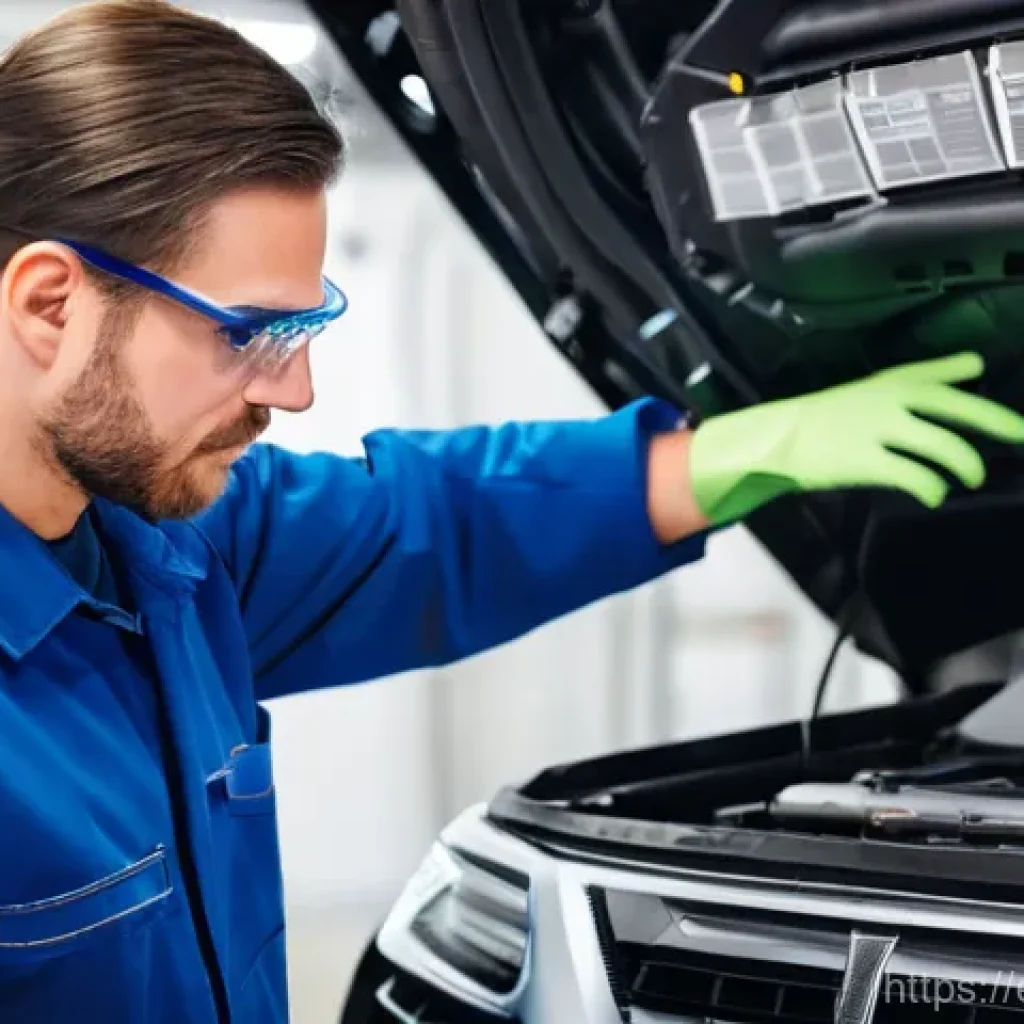
The quiet revolution of electric vehicles (EVs) and hybrids isn’t just a buzzword anymore; it’s a fundamental change that’s reshaping every corner of the auto repair industry.
From what I’ve personally seen and heard from technicians across the country, adapting to these new powertrains is no longer optional—it’s absolutely essential.
The days of simply popping the hood and knowing exactly what to do are quickly fading, replaced by a need for deep understanding of high-voltage systems, battery thermal management, and regenerative braking.
I remember one seasoned mechanic, a true wizard with internal combustion engines, telling me how he initially felt completely lost staring at an EV’s motor.
But after some specialized training, his confidence soared. This isn’t just about fixing a different kind of engine; it’s about a whole new philosophy of vehicle operation and repair.
The safety protocols alone are a huge jump, requiring a meticulous approach to avoid serious risks when working with thousands of volts. This shift isn’t just about cars on the road; it’s about the future of our planet, and being a part of maintaining these eco-friendly machines feels incredibly rewarding.
It’s truly a game-changer that keeps us on our toes and constantly learning.
Understanding High-Voltage Systems
Working with electric vehicles introduces an entirely new level of complexity: high-voltage systems. Unlike conventional 12-volt systems, EV batteries can operate at hundreds of volts, posing significant safety hazards if not handled correctly.
Technicians need to be thoroughly trained in proper lockout/tagout procedures, insulated tools, and personal protective equipment. I’ve seen firsthand how crucial this training is; a moment of carelessness can have severe consequences.
It’s not just about knowing how to fix something; it’s about knowing how to safely disable and re-enable these powerful systems. This foundational knowledge is the bedrock for any EV repair.
Diagnosing and Repairing Battery Packs
The heart of any EV is its battery pack, and diagnosing issues within these complex units requires specialized skills and equipment. It’s not just about replacing a faulty cell; it often involves understanding the battery management system (BMS), thermal regulation, and software-related glitches that can affect performance.
I recall a tricky situation where a vehicle’s range was mysteriously plummeting, and it turned out to be a software bug affecting battery cell balancing.
Without the right diagnostic tools and expertise, that car would have been a perpetual mystery. Repairing these packs can range from module replacement to software recalibration, each demanding precision and specific training.
Beyond the Wrench: Software’s Reign in Modern Auto Repair
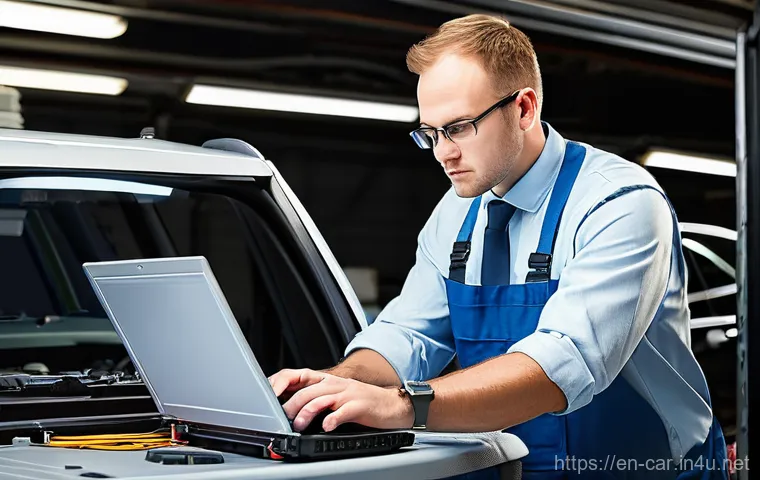
If you told me ten years ago that I’d be spending more time with a laptop and a diagnostic tool than a wrench and a socket set, I might have chuckled.
But here we are, folks! The automotive world has become a digital playground, and software is undeniably the new king. From engine management systems to infotainment units, virtually every component in a modern car relies on complex code.
This means that a good chunk of our job now involves flashing ECUs, troubleshooting network communication issues, and even coding replacement modules.
It’s a fascinating evolution because it requires us to think less like traditional mechanics and more like IT specialists on wheels. I’ve felt this shift personally, investing heavily in software subscriptions and training just to keep up.
It’s not always easy, sometimes frustrating when a simple fix turns into a software puzzle, but the satisfaction of cracking that code and getting a vehicle running perfectly again is immense.
This digital transformation has opened up an entirely new dimension to auto repair, making it more intellectually stimulating than ever before.
Firmware Updates and Module Programming
Just like your smartphone or computer, modern vehicles constantly receive software updates. These firmware updates can improve performance, fix bugs, or even add new features.
For technicians, this means regularly performing these updates using specialized factory scan tools. Moreover, when replacing a control module—be it for the engine, transmission, or body electronics—it often needs to be programmed to the specific vehicle, complete with VIN coding and variant coding.
I’ve seen situations where a new module installed without proper programming led to all sorts of bizarre symptoms, causing headaches until it was correctly configured.
This process demands a meticulous approach and a deep understanding of vehicle communication protocols.
Cybersecurity in Automotive Systems
With increased connectivity, cybersecurity has become a critical concern in the automotive industry. Vehicles are essentially computers on wheels, and like any computer, they can be vulnerable to cyber threats.
While the immediate impact on day-to-day repair might seem subtle, technicians need to be aware of secure diagnostic practices and how to handle potential breaches or corrupted software.
This involves understanding secure boot processes, encrypted communication, and recognizing signs of tampering. It’s an emerging field that adds another layer of responsibility to our already demanding jobs, ensuring not only mechanical integrity but also digital security.
Navigating the ADAS Labyrinth: Sensors, Safety, and Sophistication
The integration of Advanced Driver-Assistance Systems (ADAS) has completely revolutionized vehicle safety and, by extension, auto repair. Features like adaptive cruise control, lane-keeping assist, automatic emergency braking, and blind-spot monitoring are no longer just for luxury cars; they’re becoming standard across the board.
From a repair standpoint, this means we’re dealing with an intricate web of sensors, cameras, radar units, and lidar systems, all working in concert. I remember the first time I had to recalibrate a radar sensor after a fender bender; it wasn’t just about bolting it back on.
It required specialized alignment tools and software to ensure it was precisely aimed, otherwise, the ADAS features wouldn’t function correctly, potentially endangering the driver.
It’s an incredible leap forward in safety, but it also means our diagnostic and repair processes have to be incredibly precise. The margin for error is virtually nonexistent when people’s lives depend on these systems functioning perfectly.
It’s challenging but incredibly rewarding to know we’re helping maintain these life-saving technologies.
Calibration and Alignment Challenges
One of the biggest hurdles with ADAS is the meticulous calibration and alignment required after repairs or even simple component replacements. A new windshield, for instance, often necessitates recalibrating the front-facing camera.
A minor bump can throw off radar sensor alignment. These procedures can’t be eyeballed; they require specialized targets, diagnostic software, and often specific workshop environments to ensure accuracy.
I’ve been through a few of these, and believe me, it’s a precise dance between physical setup and digital adjustment. Getting it even slightly wrong can lead to false positives, system malfunctions, or worse, critical safety features failing when needed most.
Integrating Diagnostic Tools for ADAS
Traditional diagnostic scanners are often insufficient for the complexities of ADAS. Technicians now need advanced diagnostic tools that can communicate with multiple ADAS modules simultaneously, interpret sensor data, and perform guided calibrations.
These tools often come with extensive databases for specific vehicle makes and models, detailing exact calibration procedures. It’s an investment, but a necessary one.
Without the right diagnostic equipment, accurately troubleshooting and repairing ADAS issues becomes a frustrating guessing game, and that’s not something we can afford when safety is on the line.
Diagnostic Tech Revolution: Decoding the Digital Language of Cars
The days of “parts changers” are rapidly fading. Today’s automotive technician is more akin to a detective, using advanced diagnostic technology to uncover the root cause of vehicle issues.
The sheer volume of data points and diagnostic trouble codes (DTCs) that modern cars can generate is astonishing. It’s not enough to just read a code; you have to understand what it *means* in context, considering sensor readings, live data streams, and communication networks.
I’ve been amazed by how far diagnostic tools have come, evolving from simple code readers to sophisticated scanners that can perform bidirectional controls, network tests, and even simulate sensor outputs.
This technology allows us to pinpoint problems with incredible accuracy, saving both time and money. It also means less guesswork and more precise repairs, which is a win-win for everyone involved.
Investing in top-tier diagnostic equipment and the continuous training to use it effectively is, in my opinion, the single most important thing any modern auto shop can do.
Advanced Scan Tools and Software
Modern automotive repair relies heavily on advanced scan tools and proprietary software. These aren’t just generic OBD-II readers; they are sophisticated devices capable of diving deep into a vehicle’s various control modules.
They allow us to access manufacturer-specific diagnostic trouble codes, view live sensor data, perform bidirectional tests (like commanding a component on or off), and even record data logs for intermittent issues.
I’ve personally used these to chase down some truly elusive problems, like a phantom misfire caused by an intermittent voltage drop that only showed up under specific driving conditions.
The ability to see what the vehicle’s computer sees is invaluable.
Data Analysis and Troubleshooting Strategies
Having access to a wealth of diagnostic data is only half the battle; knowing how to interpret and analyze it is where the true skill lies. Technicians must be adept at comparing actual values against expected parameters, understanding waveform patterns from oscilloscopes, and logically narrowing down potential causes.
This often involves applying systematic troubleshooting strategies, combining diagnostic tool readings with visual inspections and functional tests. It’s a bit like being a doctor, interpreting a patient’s symptoms and test results to arrive at an accurate diagnosis.
The more experience you gain in data analysis, the quicker and more accurate your diagnoses become.
Upskilling for Tomorrow: Essential Training for the Modern Technician
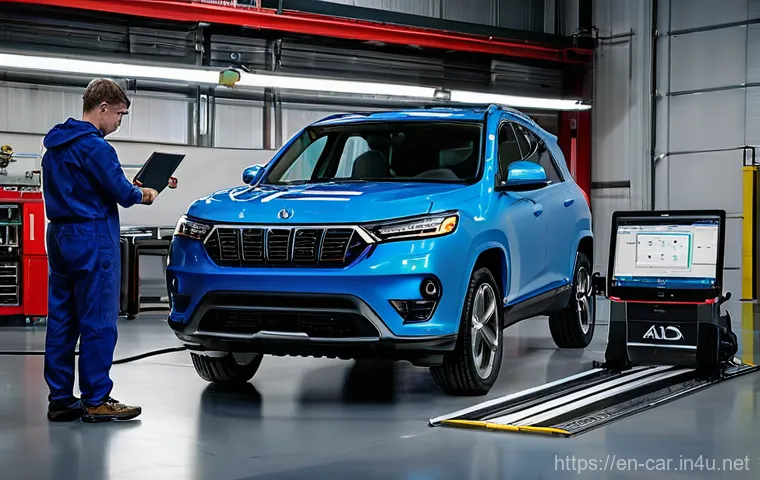
Let’s be real, staying relevant in this rapidly evolving industry means continuous learning. The idea that you can get your certification and just coast for the next two decades is completely obsolete.
The sheer pace of technological advancement demands that we, as technicians, are always looking for the next training opportunity. Whether it’s online courses, manufacturer-specific training programs, or hands-on workshops, investing in ourselves is the best investment we can make.
I’ve personally dedicated a portion of my annual budget to ongoing education, and it has paid dividends not just in my skill set, but also in the confidence I feel tackling new challenges.
It’s also incredibly empowering to know that you can adapt to whatever the auto industry throws at you next. This isn’t just about getting ahead; it’s about having a sustainable career in a field that I absolutely love.
The shops that encourage and facilitate this ongoing education are the ones that will truly thrive.
Specialized Certifications
To remain competitive and competent, specialized certifications are becoming increasingly vital. Certifications in areas like EV/Hybrid repair, ADAS calibration, advanced diagnostics, and specific manufacturer training ensure technicians possess the verified expertise needed for complex modern vehicles.
These certifications not only enhance a technician’s skill set but also build customer trust and demonstrate a commitment to excellence. For example, obtaining an ASE L3 certification for Light Duty Hybrid/Electric Vehicle Specialist shows a serious commitment to the future of the industry.
On-the-Job Learning and Mentorship
While formal training is crucial, the value of on-the-job learning and mentorship cannot be overstated. Working alongside experienced technicians who are adept at tackling new technologies provides invaluable practical insights and accelerates skill development.
Observing how seasoned pros approach complex diagnostic challenges or perform intricate repairs on a new EV model is incredibly educational. I’ve learned some of my best “tricks of the trade” from mentors who’ve been around the block, and now I try to pay that forward.
A strong mentorship culture within a shop fosters continuous improvement and a shared knowledge base.
The Independent Shop’s Edge: Adapting to New Realities
For independent auto repair shops, this technological transformation presents both significant challenges and incredible opportunities. Unlike dealerships that often have direct access to manufacturer-specific tools and training, independent shops have to be more proactive and strategic in their investments.
However, with agility and smart decisions, they can carve out a strong niche. I’ve seen some brilliant independent shops thrive by specializing in certain areas, like European luxury cars with complex electronics, or becoming the go-to experts for hybrid battery diagnostics.
It’s about being smart with your resources and really listening to what the market needs. The key is to see these changes not as insurmountable obstacles, but as chances to differentiate and provide specialized services that customers desperately need.
The shops that embrace innovation and prioritize ongoing education for their teams are the ones that are truly winning.
Strategic Investment in Tools and Training
Independent shops must make strategic investments in the right diagnostic tools, programming equipment, and specialized safety gear for modern vehicles.
This doesn’t mean buying every single piece of equipment, but rather carefully assessing their market, clientele, and the types of repairs they aim to perform.
Prioritizing training budgets is equally important; sending technicians to specialized courses or bringing in trainers for in-house workshops can elevate the entire team’s capability.
I’ve noticed that shops that invest wisely often see a significant return in terms of increased service offerings and customer loyalty.
Building Customer Trust with Expertise
In a world of increasingly complex vehicles, trust in a technician’s expertise is paramount. Independent shops can build this trust by transparently communicating their capabilities, showcasing their certifications, and explaining complex repairs in an understandable way to customers.
When a customer knows their technician has undergone specialized training for their electric vehicle or can precisely calibrate their ADAS system, they feel confident.
This transparency fosters loyalty and generates positive word-of-mouth referrals, which are invaluable for any business.
Unlocking New Revenue Streams in a High-Tech World
The shift in automotive technology isn’t just about adapting; it’s about innovating and finding new ways to generate revenue. With the specialized skills and equipment required for modern vehicles, there are fantastic opportunities to offer premium services that command higher prices and attract a different kind of clientele.
Think about it: recalibrating ADAS systems, performing complex EV battery diagnostics, or even providing software updates can be highly profitable services that set you apart.
I’ve observed many shops successfully pivot, adding these advanced services to their offerings and seeing a healthy boost to their bottom line. It’s about recognizing the evolving needs of the market and positioning your shop as the expert solution.
Premium Services and Specialization
As vehicles become more sophisticated, so do the opportunities for specialized, premium services. Shops can position themselves as experts in areas like EV battery reconditioning, advanced ADAS diagnostics and calibration, or specialized module programming.
These services often have less competition and can command higher labor rates due to the required expertise and specialized equipment. For instance, being the local “go-to” for complex hybrid drivetrain issues can bring in a consistent stream of high-value work.
Exploring Mobile Diagnostics and Remote Support
With many diagnostic procedures now software-based, there’s a growing potential for mobile diagnostic services or even remote technical support. Imagine a technician performing an initial scan or a simple software update at a customer’s home or office.
This convenience can be a significant draw for customers and open up new revenue streams that don’t require a full bay. While challenging to implement due to equipment requirements, the potential for efficiency and customer satisfaction is immense.
| Aspect of Automotive Repair | Traditional Approach | Modern High-Tech Approach |
|---|---|---|
| Primary Tools | Wrenches, screwdrivers, basic multimeters | Diagnostic scanners, oscilloscopes, programming tools, insulated tools for EV |
| Engine Focus | Internal Combustion Engines (ICE), mechanical components | Electric Motors, Hybrid powertrains, sophisticated sensors, battery management systems |
| Diagnostic Process | Manual checks, visual inspection, basic fault codes | Advanced data analysis, real-time sensor monitoring, network communication tests |
| Safety Concerns | Handling heavy parts, basic electrical hazards | High-voltage systems, specific PPE for EVs, cybersecurity protocols |
| Required Skills | Mechanical aptitude, hands-on experience | Software literacy, electrical engineering principles, data interpretation, critical thinking |
| Training Needs | Apprenticeships, general auto repair courses | Specialized certifications (EV, ADAS), manufacturer-specific training, continuous education |
Closing Thoughts
Whew! What a journey we’ve just taken through the incredible landscape of modern auto repair. It’s truly a dynamic and exhilarating field to be a part of right now, isn’t it? As someone who lives and breathes all things automotive, I can honestly say that the pace of innovation has never been more exciting. From the silent whir of electric motors to the sophisticated dance of ADAS sensors, our industry is constantly evolving, challenging us to learn, adapt, and grow. This isn’t just about turning wrenches anymore; it’s about becoming high-tech specialists, problem-solvers, and educators for our customers. The future of automotive repair isn’t just bright; it’s electrifying, intelligent, and full of endless possibilities for those willing to embrace the change. It’s a fantastic time to be in the driver’s seat of your career, pushing the boundaries of what’s possible, and I’m genuinely thrilled to see where these roads lead us next!
Helpful Tips You Should Know
1. Embrace Continuous Learning: The single most crucial tip I can give you is to never stop learning. The automotive industry is evolving at warp speed, and staying current with EV technology, ADAS, and software diagnostics isn’t just an advantage, it’s a necessity. Look for online courses, manufacturer-specific training, and workshops. Investing in your knowledge base is the best investment you’ll ever make in your career. It keeps you sharp and ensures you’re always ready for the next big thing that rolls into your bay.
2. Invest Wisely in Diagnostic Tools: While a good set of hand tools is still essential, the modern mechanic’s most powerful asset is an advanced diagnostic scanner and programming equipment. Don’t cheap out here! High-quality, up-to-date tools are your eyes and ears into the complex computer systems of today’s vehicles. They allow you to pinpoint issues with precision, saving time and preventing costly guesswork. Research what’s best for your shop’s focus and make those strategic purchases.
3. Prioritize Safety, Especially with EVs: Working with high-voltage electric vehicles introduces a whole new level of safety protocols. Always use insulated tools, follow lockout/tagout procedures rigorously, and wear appropriate personal protective equipment. Your safety and the safety of your team should be paramount. Get certified in EV safety and make sure everyone in your shop understands the risks and the proper procedures. It’s not just about compliance; it’s about going home safely every day.
4. Develop Your Software Skills: Beyond mechanical expertise, becoming proficient in automotive software is becoming non-negotiable. This includes understanding how to perform firmware updates, program new modules, and troubleshoot network communication issues. Think of yourself as a vehicle IT specialist. There are plenty of resources available, from online tutorials to dedicated software training courses, that can help you bridge this gap and become a true all-rounder.
5. Build Customer Trust Through Transparency: In this complex new world, customers rely heavily on their technicians to explain what’s happening with their vehicles. Take the time to clearly communicate diagnostic findings, explain repair processes (especially for things like ADAS calibrations or EV battery issues), and justify costs. Being transparent, knowledgeable, and reliable is how independent shops can truly differentiate themselves and build a loyal customer base that trusts their expertise with these sophisticated machines.
Key Takeaways
The automotive repair industry is undergoing a profound transformation, moving rapidly from purely mechanical work to a high-tech field dominated by electric powertrains, advanced driver-assistance systems, and intricate software. The role of the automotive technician has evolved into that of a highly skilled specialist, requiring a blend of traditional mechanical aptitude and cutting-edge digital expertise. Key areas of this evolution include mastering high-voltage electric and hybrid vehicle systems, understanding and utilizing advanced diagnostic software for everything from engine management to cybersecurity, and navigating the complexities of ADAS calibration and repair. Continuous learning through specialized certifications and on-the-job training is no longer optional but essential for staying relevant and competent. For independent shops, strategic investment in specialized tools and ongoing education, coupled with building customer trust through transparent communication and demonstrated expertise, is crucial for success and for unlocking new revenue streams in this exciting, high-tech world. It’s an incredible time to be part of an industry that’s constantly innovating and challenging us to be better.
Frequently Asked Questions (FAQ) 📖
Q: What are the biggest shifts automotive technicians are experiencing right now with the rise of EVs and advanced car tech?
A: Wow, this is a question I get asked all the time! It’s genuinely mind-blowing how fast things are changing. For us auto technicians, the biggest shifts feel like a complete paradigm shift, moving from purely mechanical fixes to becoming high-tech specialists.
First off, electric vehicles (EVs) are a game-changer. I’ve noticed EVs require significantly less routine maintenance—no oil changes, spark plugs, or transmission fluid flushes, which were bread and butter for traditional shops.
This initially sounds scary, right? But the repairs they do need are incredibly complex, focusing on high-voltage battery systems, electric motors, and intricate charging systems.
Safety protocols for handling these high-voltage components are no joke; it’s a whole new ballgame, and technicians absolutely need specialized training to avoid risks like electric shock or fire.
Then there’s the explosion of Advanced Driver-Assistance Systems (ADAS). I mean, cars practically drive themselves these days! These systems rely on a sophisticated network of radar, lidar, and camera sensors scattered all around the vehicle.
It’s not just about changing a bumper anymore; it’s about understanding how a displaced sensor can compromise automatic emergency braking or adaptive cruise control.
Diagnosing and calibrating these ADAS features after even a minor fender bender, or sometimes just a windshield replacement, requires specialized diagnostic tools and precise multi-step calibration processes.
It’s less about turning a wrench and more about operating an ADAS tablet and interpreting complex data. From my perspective, these aren’t just minor adjustments; they’re fundamental changes that demand continuous learning and a completely different skillset.
We’re essentially merging the traditional greasy-hands mechanic role with that of a software engineer!
Q: Given these rapid changes, what new skills and training are absolutely crucial for technicians to stay competitive and succeed in today’s auto repair industry?
A: If you’re looking to thrive in this rapidly evolving industry, or even just keep your head above water, it’s all about adaptability and a relentless drive to learn.
I’ve personally seen how much these new skills pay off. Top of the list has to be a deep understanding of electrical and computer systems. Modern vehicles, especially EVs, are essentially computers on wheels.
This means mastering advanced diagnostic tools and software to troubleshoot complex electrical faults, sensor issues, and network problems. Forget just reading a check engine light; you need to understand data buses, embedded systems, and even some programming logic.
Next up, ADAS calibration and repair is non-negotiable. With almost all new vehicles sporting at least one ADAS feature, knowing how to diagnose, replace, and accurately calibrate radar, camera, and lidar sensors is paramount.
This often involves specific training programs and certifications, like those from ASE or I-CAR, to ensure you’re performing these critical safety-related tasks correctly.
I can’t stress enough how important this is for driver safety and your shop’s reputation. Beyond the purely technical, what truly sets a technician apart today are strong problem-solving and analytical skills.
Cars are more interconnected than ever, and a symptom in one system might originate from another entirely. You need to be a detective, using critical thinking to dissect complex issues and develop systematic repair plans.
And honestly, communication skills are vital too! Being able to clearly explain complex technical problems to a customer in plain English builds trust and ensures they understand the value of the specialized work you’re doing.
It’s not enough to be brilliant under the hood; you need to be great with people too.
Q: Is a career as an automotive technician still a good path, or is it becoming too specialized and demanding for new entrants?
A: This is such a great, honest question that I hear a lot, especially from younger folks considering this path. And my answer is a resounding YES, it’s absolutely still a fantastic career path, though it’s definitely evolving!
The Bureau of Labor Statistics projects a steady demand for automotive service technicians, with around 67,800 to 70,000 openings projected each year through 2033 or 2034.
Many of these openings are due to experienced technicians retiring or moving into other roles, which means there’s a real need for fresh talent. It’s true that the job is becoming more specialized and demanding – nobody can deny that.
But that specialization isn’t a barrier; it’s an opportunity! Technicians with knowledge of advanced automotive technology, like hybrid fuel systems and complex computer diagnostics, are incredibly sought after.
It means you’re not just a “grease monkey” anymore; you’re a high-skill, high-tech professional, and with that comes more respect and, often, better pay.
The median annual wage for automotive service technicians was about $49,670 in May 2024, which is solid, and for those with advanced skills, it can go much higher.
What’s really encouraging is that employers are actually having difficulty finding applicants with the right skills. This means if you invest in the right training—vocational programs, specialized certifications like ASE or I-CAR, and continuous learning—you’ll be in high demand.
Hands-on experience, whether through trade schools or apprenticeships, is more critical than ever to bridge the gap between theory and the complex reality of modern vehicles.
So, while it asks more of you, the rewards in terms of career stability, intellectual challenge, and earning potential are absolutely there. It’s an exciting time to be an automotive technician, truly on the cutting edge of technology!