Hey there, fellow gearheads and DIY enthusiasts! We all love the satisfaction of getting our hands dirty and fixing our own cars, right? There’s nothing quite like the feeling of accomplishment when you save a few bucks and learn something new about your ride.
But let’s be real for a second – working with heavy machinery, hot engines, and tricky tools isn’t always smooth sailing. I’ve personally seen and heard my fair share of “oops” moments, from dropped wrenches to unexpected spills, and believe me, they can turn a quick fix into a full-blown emergency in no time.
It’s easy to get caught up in the task and forget that safety truly comes first. So, how do we balance our passion for DIY car care with staying safe?
What happens when things *do* go wrong, and you’re suddenly facing a minor cut or a more serious situation? Knowing how to react quickly and effectively can make all the difference, not just for your own well-being but for preventing further damage to your beloved vehicle.
Let’s make sure you’re prepared for anything the garage throws your way! Below, we’re going to dive deep into exactly how to handle those unexpected accidents during car maintenance practice, so you can keep wrenching with confidence.
Quick Action: When Minor Cuts and Scrapes Strike
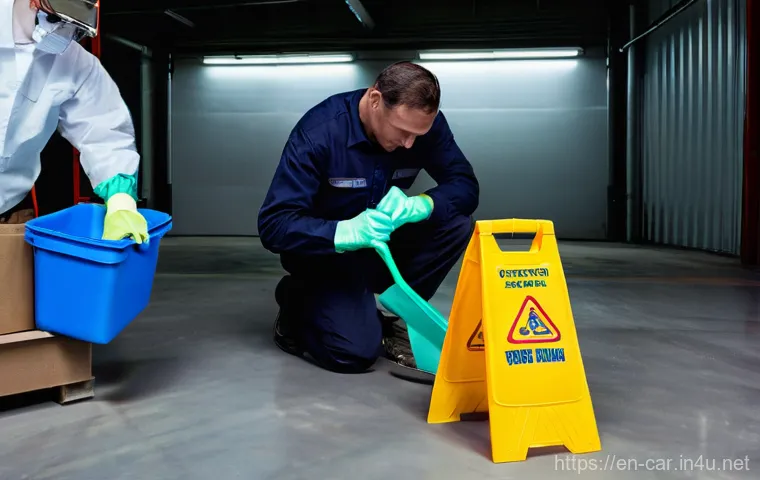
This is probably one of the most common issues we face in the garage, isn’t it? I can’t tell you how many times I’ve been wrestling with a stubborn bolt, and my hand slips, leading to a nasty little gash on a sharp edge.
It’s almost a rite of passage for DIY mechanics! The thing is, even a small cut can become a big problem if not handled correctly. I once ignored a tiny scratch from a radiator fin, thinking “it’s nothing,” only to have it get infected a few days later, turning into a throbbing mess that sidelined me for a week.
Lesson learned: don’t underestimate even the smallest injury. Your hands are your most valuable tools in the garage, so taking care of them immediately is paramount.
We often get so focused on the car that we forget our own well-being, but a quick response can save you a lot of pain and hassle down the road. It’s not about being squeamish; it’s about being smart and ensuring you can get back to your project quickly and safely.
Immediate Steps for Bleeding
First things first: stop the bleeding! Even if it’s just a trickle, a clean approach is crucial. My go-to move is to grab a clean cloth or a sterile gauze pad from my trusty first-aid kit – you absolutely *must* have one in your garage, no excuses!
Apply direct pressure firmly to the wound. Don’t peek every two seconds; just hold it there for a good five to ten minutes. Elevating the injured area, if possible, can also help slow the flow.
I remember one time, I sliced my finger pretty deep on a rusty exhaust pipe – yeah, that was fun – and I just held a shop rag to it, pressing hard. It felt like an eternity, but eventually, the bleeding slowed down enough for me to assess the damage.
Persistence is key here. If the bleeding is severe or doesn’t stop after a good fifteen minutes of direct pressure, that’s your cue to stop messing around and head straight to urgent care or the emergency room.
It’s always better to be safe than sorry, and a deep cut might need stitches.
Proper Cleaning and Dressing
Once the bleeding is under control, the next critical step is cleaning. This is where you really prevent infection, which, as I mentioned, can be a real pain.
Gently wash the wound with mild soap and warm water. Avoid harsh chemicals like hydrogen peroxide or iodine on open wounds; they can actually damage healthy tissue and delay healing.
I usually use a bit of saline solution if I have it, or just plain old tap water and a gentle soap. Make sure to rinse thoroughly to remove any dirt, grease, or debris.
If you see any stubborn bits of grit, you might need to use sterilized tweezers, but be super careful not to push anything deeper. After it’s clean, pat it dry with a clean cloth, then apply an antiseptic ointment.
I always have a tube of Neosporin or a generic antibiotic ointment on hand. Finally, cover the wound with a sterile bandage. Change the bandage daily, or more often if it gets wet or dirty, and keep an eye out for any signs of infection like redness, swelling, pus, or increased pain.
Trust me, a little diligence here goes a long way in healing faster and preventing complications.
Chemical Concerns: Spills, Splashes, and What's Next
Working with cars means dealing with a whole cocktail of fluids: engine oil, brake fluid, coolant, battery acid, and even cleaning solvents. Each one presents its own set of dangers, and believe me, getting them on your skin or, worse, in your eyes, is an experience you definitely want to avoid.
I had a buddy who got a splash of old battery acid on his arm once – just a tiny bit – and he didn’t wash it off immediately. He ended up with a nasty chemical burn that left a scar.
It’s a vivid reminder that these aren’t just messy spills; they can cause real harm. It’s not just about keeping your garage floor clean; it’s about protecting your body from corrosive, irritating, or even toxic substances.
Always assume anything under the hood that isn’t water is potentially harmful and treat it with respect. A quick, informed reaction is your best defense against lasting injury and an unnecessary trip to the doctor.
Handling Automotive Fluid Spills
Okay, so you’ve spilled some oil or brake fluid. Don’t panic! The key is to act quickly and contain the mess.
For common fluid spills like oil, coolant, or power steering fluid, the first step is to grab some absorbent material. I always keep a bag of kitty litter or dedicated absorbent granules in my garage specifically for this.
Spread it liberally over the spill, let it soak for a bit, then sweep it up. For smaller spills, old rags or shop towels work fine, but remember to dispose of them properly – don’t just toss oil-soaked rags into your household trash.
If you’re dealing with something more aggressive, like battery acid (which is super corrosive), neutralizing it is crucial. Baking soda mixed with water works wonders to neutralize acid.
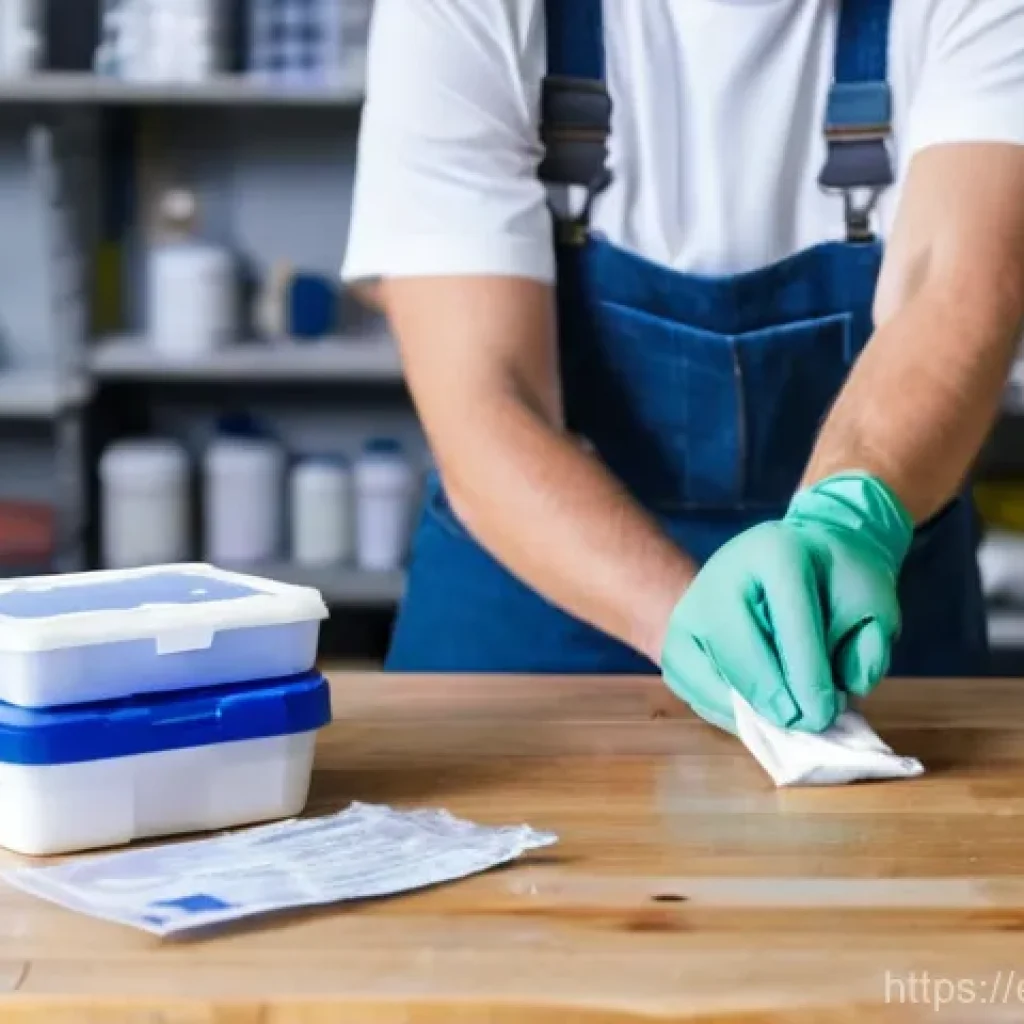
Pour it over the spill, let it fizz, and then clean it up. Always wear gloves and eye protection when dealing with any significant chemical spill, because even a simple oil slick can lead to slips and falls, creating another accident entirely.
Protecting Your Skin and Eyes
This one is absolutely non-negotiable, folks. When you’re working with automotive chemicals, your skin and eyes are incredibly vulnerable. I’ve heard too many stories of people getting brake fluid in their eyes – and let me tell you, that stuff is no joke.
It causes immediate, intense pain and can lead to permanent damage if not flushed out rapidly. That’s why I *always* wear safety glasses or goggles, even if I’m just doing a quick check.
And don’t forget good quality, chemical-resistant gloves. Nitrile gloves are my personal preference because they offer excellent dexterity and protection against most automotive fluids.
If you do get a splash on your skin, wash the affected area immediately and thoroughly with soap and water for at least 15-20 minutes. If it gets in your eyes, head straight for an eyewash station (you should have one, or at least a big bottle of saline solution) or flush your eyes under a gentle stream of running water for the same amount of time, keeping your eyelids open.
Don’t rub! And seriously, if you get anything more than a tiny, harmless splash in your eye, get medical attention pronto. It’s simply not worth risking your vision.
The Unexpected Spark: Fire Safety in Your Garage
A garage fire is probably one of the most terrifying scenarios any DIY mechanic can imagine. We’re often surrounded by flammable liquids, electrical systems, and heat sources, which means the potential for a blaze is unfortunately ever-present.
I remember one scary incident when I was draining fuel from an old lawnmower. A static spark, completely out of the blue, caused a small flash fire right next to my workbench.
My heart absolutely leapt into my throat! Luckily, I had a fire extinguisher close by and reacted quickly, but it was a stark reminder of how fast things can escalate.
It really drove home the point that preventing a fire is infinitely better than trying to put one out. Understanding the common causes and having the right tools to respond can make the difference between a minor scare and losing your entire garage, or worse.
Being prepared isn’t just a suggestion; it’s an absolute necessity for anyone working on cars.
Preventing Garage Fires
Prevention really is the name of the game here. First, proper storage of flammable liquids is absolutely critical. Always keep gasoline, oil, and other chemicals in approved, sealed containers, and store them away from heat sources or open flames.
I have a dedicated metal cabinet for all my paints and solvents, keeping them separate and safe. Second, electrical safety cannot be stressed enough. Avoid overloading circuits, use heavy-duty extension cords that are rated for garage use, and never run cords under carpets or through doorways where they can be damaged.
Regularly check your wiring for fraying or damage. Third, cleanliness plays a huge role. Keep your garage free of excessive clutter, especially oily rags or piles of sawdust that can be highly flammable.
I make it a habit to clean up spills immediately and empty my trash bins frequently. Even something as simple as proper ventilation when working with fumes can prevent a dangerous accumulation of ignitable vapors.
Always be mindful of potential ignition sources: sparks from grinders, welding torches, or even static electricity can ignite fumes or flammable materials in an instant.
Extinguishing Small Blazes Safely
Okay, despite your best prevention efforts, a small fire might still break out. What then? Your first priority is safety: if the fire is spreading rapidly, involves significant amounts of flammable liquids, or you feel at all unsafe, get out immediately and call 911 (or your local emergency number).
Do *not* try to be a hero. However, for a small, contained fire – like a workbench fire or a small liquid spill blaze – a fire extinguisher is your best friend.
I keep a multi-purpose ABC-rated extinguisher prominently displayed near my garage door, and I make sure it’s easily accessible and not hidden behind a pile of tools.
Make sure you know how to use it: remember the “PASS” method – Pull the pin, Aim at the base of the fire, Squeeze the handle, and Sweep from side to side.
Practice makes perfect, so maybe watch a quick video on it, or if your local fire department offers training, take it! Never use water on electrical fires or liquid fuel fires; it can actually spread the blaze or cause electrocution.
If you can’t put out a small fire quickly and safely, your next step is always evacuation and calling for professional help.
Heavy Lifting: Avoiding Strains and Drops
Working on cars often means dealing with seriously heavy components – engines, transmissions, wheels, you name it. Trying to muscle these things around without proper technique or equipment is a recipe for disaster.
I speak from painful experience here; I once tried to lift an engine block by myself, thinking I could handle it. The result? A screaming back for two weeks and a very clear understanding of my physical limits.
It’s not just about straining your back, though; dropping a heavy part can cause significant damage to your vehicle, your garage floor, or, worst of all, your feet.
Every year, countless garage injuries are related to improper lifting or parts falling due to unstable support. It’s easy to get complacent when you’re in a hurry, but a moment of carelessness can lead to long-term pain or a costly repair.
This is where smart planning and the right tools truly pay off.
Techniques for Safe Lifting
When you absolutely have to lift something heavy manually, proper technique is paramount. First, assess the load. Can you honestly lift it safely by yourself?
If there’s any doubt, get help or use mechanical assistance. If you proceed, always bend at your knees, not your back, keeping your back straight and your core engaged.
Lift with your legs, not your back. Keep the object as close to your body as possible. Avoid twisting your body while lifting or carrying a heavy object; instead, move your feet to turn.
I find it really helps to plan your path beforehand, clearing any obstacles. And remember, it’s not just about the initial lift; it’s also about setting it down safely.
Don’t just drop it; control the descent using the same good posture you used to lift it. For truly heavy items like an engine, you absolutely need an engine hoist, not just your muscles.
Investing in the right tools isn’t just a convenience; it’s an investment in your physical well-being.
Using Jacks and Stands Securely
This is probably the most critical safety aspect when working underneath a vehicle. Never, and I mean *never*, rely solely on a jack to hold up your car.
Jacks are for lifting; jack stands are for supporting. I’ve seen some terrifying pictures online of cars falling off inadequate support, and it’s always because someone skipped this vital step.
Always use at least two, preferably four, robust jack stands rated for your vehicle’s weight. Position them on solid, level ground, ideally under the vehicle’s frame or designated jack points.
Once the vehicle is on the stands, give it a good shake to ensure it’s stable before you even think about crawling underneath. Wheel chocks on the wheels still on the ground are also a must.
I also like to leave the floor jack under a strong point, just barely touching, as an extra layer of redundancy. And please, for the love of everything mechanical, never use cinder blocks, stacks of wood, or anything else not designed for vehicle support.
Your life is worth more than saving a few bucks on proper equipment.
Navigating Electrical Hazards: Shocks and Shorts
Modern cars are essentially computers on wheels, packed with intricate electrical systems. Even older vehicles have plenty of wiring, batteries, and alternators that can deliver a nasty jolt if you’re not careful.
I once got a mild shock from a corroded battery terminal – not enough to do serious damage, thankfully, but it definitely made me jump and reminded me of the hidden dangers.
Electrical accidents can range from uncomfortable shocks to serious burns, heart rhythm disturbances, or even starting a fire. It’s easy to get complacent when you’re troubleshooting a wiring issue or just replacing a battery, but electricity is invisible and unforgiving.
Understanding how to safely approach your car’s electrical components is fundamental to avoiding painful and potentially life-threatening incidents. Always respect the power that’s coursing through your vehicle.
Disconnecting Power Before You Start
This is rule number one for any electrical work on your car: disconnect the battery! It sounds simple, but it’s a step many folks rush through or skip entirely, and that’s when accidents happen.
Always disconnect the negative terminal first, then the positive. This prevents accidental short circuits if your wrench touches the frame while you’re removing the positive terminal.
Why negative first? Because if you accidentally touch the wrench to the car’s body while loosening the positive terminal, you create a direct short, which can cause sparks, melt your wrench, or even damage the battery or electrical system.
With the negative terminal disconnected, the circuit is broken, and you’re much safer. I’ve made it a habit to remove the battery completely for major electrical jobs, just to be extra cautious.
It might add a few minutes to your task, but those few minutes are a small price to pay for your safety and preventing costly damage to your vehicle’s sensitive electronics.
Dealing with Accidental Shocks
So, what if, despite your best efforts, you get a shock? The first thing to do is remove yourself from the source of the electricity immediately, if possible.
If someone else is being shocked, do *not* touch them directly, as you could also become part of the circuit. Instead, use a non-conductive object – like a dry wooden stick, a plastic broom handle, or a rubber mat – to separate them from the electrical source.
Once the immediate danger is passed, assess the situation. Even a seemingly minor shock can affect your heart rhythm. Look for symptoms like confusion, breathing difficulty, burns, or an irregular heartbeat.
If you experience any of these, or if the shock was significant, seek medical attention right away. Even if you feel fine, it’s often a good idea to get checked out by a doctor, just to be safe.
I always make sure to wear thick rubber-soled shoes when I’m working on my car, as they provide an extra layer of insulation against ground faults. Every bit of protection helps!
Protecting Your Vitals: Eyes, Head, and Lungs
When we’re engrossed in a repair, it’s easy to overlook how vulnerable our most vital organs are. Your eyes, head, and lungs are constantly exposed to flying debris, chemical fumes, and potential impacts in the garage.
I’ve had a tiny metal shard from a grinding wheel fly dangerously close to my eye, deflected only by my safety glasses. That incident cemented my belief that PPE isn’t optional; it’s a lifesaver.
Think about it: a piece of rust from a suspension component, a splash of old brake fluid, or even just dust from sanding can cause irreversible damage to your eyes.
Inhaling brake dust or welding fumes can have long-term effects on your respiratory system. It’s not about being overly cautious; it’s about being pragmatic and protecting the parts of your body that are irreplaceable.
A moment of negligence could cost you your vision, your hearing, or your long-term health.
The Importance of Personal Protective Equipment (PPE)
Let’s talk PPE – Personal Protective Equipment. This isn’t just for professional mechanics; it’s for *everybody* who turns a wrench. Good quality safety glasses are at the top of my list; I prefer ones with side shields for maximum protection.
Don’t settle for cheap, flimsy ones. If you’re grinding, welding, or dealing with extreme dust, proper goggles or a full face shield are a must. Hearing protection, like earplugs or earmuffs, is often overlooked but crucial, especially when using air tools or impact wrenches; prolonged exposure to loud noises causes permanent hearing loss.
For your lungs, a good quality respirator is essential if you’re working with paint, strong solvents, or anything that produces fine dust (like sanding body filler or brake dust).
And don’t forget sturdy work gloves to protect your hands from cuts, scrapes, and chemicals. Finally, a hard hat might seem excessive for a home garage, but if you’re working under a hoisted engine or in a cramped space where you might bump your head, it’s a smart move.
Always assess the task and choose the right PPE for the job.
What to Do in Case of Eye or Head Impact
Despite all precautions, accidents can still happen. If you get something in your eye – a metal fragment, dust, or a chemical splash – the immediate reaction is often to rub it.
Resist that urge! Rubbing can actually embed the object deeper or scratch your cornea, making things much worse. For foreign objects, try to flush your eye gently with clean water or an eyewash solution.
If it’s a chemical splash, flush continuously for at least 15-20 minutes and seek immediate medical attention. For solid objects that don’t flush out easily, or if you experience persistent pain, blurry vision, or a feeling that something is still there, get to an emergency room or an eye doctor *right away*.
For head impacts, even a seemingly minor bump can be serious. Look for symptoms like dizziness, confusion, nausea, headache, or loss of consciousness.
If you hit your head hard, or if you notice any of these symptoms, even hours later, get medical attention. Don’t try to “tough it out.” Concussions are serious business and require professional assessment.
First Aid Kit Essentials: Always Be Prepared
You know, it’s funny how we spend so much time gathering specialty tools for our cars, but sometimes we forget the most important kit of all: the first aid kit.
It’s like having a fire extinguisher but no way to call for help – it just doesn’t make sense! Over the years, I’ve seen enough minor cuts, burns, and scrapes that I’ve learned the hard way how indispensable a well-stocked first aid kit is.
It’s not just a box of band-aids; it’s your first line of defense against minor injuries escalating into bigger problems. Think of it as another essential tool, just like your wrench set or your diagnostic scanner.
Having everything you need readily available means you can address injuries quickly and efficiently, minimizing pain and preventing infection. A good kit also provides peace of mind, knowing you’re prepared for most common garage mishaps.
Building Your Garage's Lifesaving Kit
So, what absolutely needs to be in your garage first aid kit? Beyond the basic assortment of adhesive bandages in various sizes (I always keep plenty of knuckle and fingertip bandages!), you’ll want sterile gauze pads and rolls, medical tape, and antiseptic wipes.
A good pair of sterile tweezers is essential for removing splinters or small debris. For minor burns, a burn cream or gel and sterile non-stick pads are crucial.
Pain relievers like ibuprofen or acetaminophen are handy, as is an antihistamine for allergic reactions. Don’t forget an instant cold pack for sprains or bumps, and a small pair of trauma shears to cut clothing if needed.
Eye wash solution, a small bottle of saline, and even some emergency dental repair kit items (just in case!) can be incredibly useful. I’ve curated my kit over time, adding things as I’ve realized their importance.
Make sure everything is clearly labeled, within its expiration date, and easily accessible.
| First Aid Kit Essential | Why It’s Critical in the Garage | Pro-Tip |
|---|---|---|
| Assorted Bandages | Covers cuts, scrapes; prevents infection. | Stock extra knuckle/fingertip bandages for hand injuries. |
| Sterile Gauze Pads & Tape | For larger wounds, applying pressure to stop bleeding. | Rolls of gauze are versatile for wrapping injuries. |
| Antiseptic Wipes/Solution | Cleans wounds effectively, reducing infection risk. | Avoid hydrogen peroxide on open wounds; use mild soap & water first. |
| Nitrile Gloves | Protects hands from contaminants and blood. | Always wear for wound care, and when handling chemicals. |
| Tweezers | Removes splinters, glass, or small debris. | Sterilize before use with alcohol wipes. |
| Burn Cream/Gel | Soothes minor burns and prevents blistering. | Keep it in a cool, dry place. |
| Eye Wash Solution | Flushes chemicals or debris from eyes. | Have a dedicated bottle easily accessible near your workspace. |
| Pain Relievers (e.g., Ibuprofen) | Manages pain from minor injuries or headaches. | Check expiration dates regularly. |
Knowing When to Seek Professional Medical Attention
This is perhaps the most important tip of all: know your limits and when to call in the pros. While a well-stocked first aid kit can handle many minor garage mishaps, some situations absolutely require immediate medical attention.
If you’re dealing with severe bleeding that won’t stop, a deep puncture wound (especially from rusty objects), signs of infection spreading (red streaks, significant pus), or a potentially broken bone, don’t hesitate.
Chemical burns, especially to the eyes or face, warrant an immediate trip to the ER after initial flushing. Any significant head injury with symptoms like loss of consciousness, confusion, persistent headache, or vision changes should be evaluated by a doctor.
If you suspect a serious electrical shock has affected your heart, or if you’re having trouble breathing, call emergency services immediately. My philosophy is this: if you’re asking yourself “should I go to the doctor?”, the answer is almost always “yes.” It’s better to err on the side of caution than to suffer a lasting injury because you tried to play doctor yourself.
Your health is far more valuable than any car repair.
글을마치며
Whew, we’ve covered a lot of ground today, haven’t we? It’s clear that while the garage is a place for passion and productivity, it’s also where safety absolutely cannot take a backseat. I truly hope that sharing some of my own experiences and the hard-won lessons I’ve learned will help you avoid some of those painful “aha!” moments. Remember, those extra few minutes you spend on prevention, wearing the right gear, or double-checking your setup are never wasted. They’re an investment in your well-being, your peace of mind, and ultimately, your ability to keep doing what you love. Stay safe, my friends, and happy wrenching!
알아두면 쓸모 있는 정보
1. Regular Kit Check: Make it a habit to check your first aid kit and fire extinguisher expiration dates every three months. You truly don’t want to discover they’re expired or empty when an actual emergency strikes. A quick peek can save you a world of trouble.
2. Emergency Contact List: Keep a clearly visible list of emergency numbers (like 911, Poison Control, and your personal doctor) prominently displayed near your garage phone or main entry point. In a crisis, every second counts, and fumbling for a phone number isn’t an option.
3. Ventilation is Key: Always ensure adequate ventilation when working with strong solvents, paints, or during any welding. Even when just running your car, fumes can build up quickly. Cracking the garage door or using fans can make a huge difference in preventing harmful vapor accumulation.
4. Footwear Matters: Invest in sturdy, closed-toe work boots with good grip. They’re not just about protecting your feet from dropped tools or chemical spills; their thick rubber soles also offer crucial insulation against electrical hazards. Leave the flip-flops for the beach!
5. Clean as You Go: A tidy garage is inherently a safer garage. Make it a routine to clean up spills immediately, put tools back in their rightful places, and dispose of oily rags properly in sealed metal containers. This simple habit drastically reduces the risk of slips, trips, and potential fire hazards.
중요 사항 정리
Ultimately, garage safety is an ongoing commitment, not a one-time checklist you complete. Always prioritize personal protective equipment (PPE) for every task, no matter how routine or quick it seems; your eyes, hands, and lungs are absolutely irreplaceable. Understanding and correctly using tools and equipment, especially jacks and jack stands, is fundamental to preventing severe accidents—never, ever work under an unsupported vehicle. Be proactive with chemical and electrical safety; disconnecting power and knowing how to handle spills correctly can prevent serious burns or shocks. And remember, a well-stocked, up-to-date first aid kit and a readily accessible fire extinguisher are non-negotiable essentials in any home garage. Most importantly, know your limits and don’t hesitate to seek professional medical help when an injury warrants it; your health is always paramount.
Frequently Asked Questions (FAQ) 📖
Q: So, what are the most common “oops” moments or injuries we DIYers typically face when we’re under the hood or under the car?
A: Oh, where do I even begin? If you’ve spent any time at all wrenching on your own ride, you’ve probably had a few close calls or actual mishaps. Believe me, I’ve seen it all, and I’ve certainly had my share of bumps and scrapes.
The absolute most common ones I hear about, and have personally experienced, usually revolve around things like dropping a heavy tool right onto your foot – ouch!
Or, when you’re wrestling with a stubborn bolt, and your hand slips, sending your knuckles straight into something sharp or hot. Burns are another big one, whether it’s from a scorching exhaust pipe you forgot was there, or some hot engine fluid spitting out unexpectedly.
And let’s not forget the chemical splashes, especially if you’re working with battery acid, brake fluid, or even just really potent degreasers. Lifting heavy parts incorrectly is a recipe for back pain, and honestly, sometimes just forgetting to properly secure the vehicle on jack stands can lead to a terrifying near-miss, or worse.
It’s those moments when you think “just one more quick thing” that often catch you off guard. We get so focused on the task, we sometimes let our guard down on the basics.
That’s why having a good pair of gloves, eye protection, and thinking a step ahead can save you a world of pain and regret.
Q: Okay, let’s say I’ve had one of those “oops” moments – maybe a minor cut, a small burn, or I’ve spilled something nasty. What’s the absolute first thing I should do to handle it?
A: First things first, don’t panic! I know it’s easier said than done, especially when adrenaline is pumping, but a clear head helps immensely. If it’s a minor cut, your immediate priority is to stop any bleeding.
Apply direct pressure with a clean cloth or sterile gauze. Then, get it cleaned thoroughly with soap and water to prevent infection. For a small burn, immediately get it under cool (not ice-cold!) running water for at least 10-15 minutes.
This helps stop the burning process and eases the pain. Don’t put ice directly on it, and definitely avoid any old-wives-tale remedies like butter! If you’ve spilled a chemical – especially something like battery acid or brake fluid – the absolute fastest thing you can do is flush the affected area with copious amounts of water.
Get to a sink or hose, and let the water run over it for a good long while. If it got in your eyes, get to an eyewash station or even a shower immediately and flush for at least 15-20 minutes, then seek medical attention.
After addressing the immediate injury, take a moment to assess the situation around you. Is the spill still a hazard? Is the car stable?
Don’t jump back into work until you’ve fully contained the immediate danger to yourself and your workspace. Your health is way more important than that oil change!
Q: Beyond reacting to accidents, what are some proactive steps I can take to make my home garage a much safer place for car maintenance, preventing these incidents from happening altogether?
A: This is where we really start to shine as smart DIYers! Prevention is always, always better than cure, and believe me, a little bit of planning goes a long way in the garage.
First off, invest in quality safety gear – I’m talking about good work gloves (different types for different tasks, trust me!), eye protection that you’ll actually wear, sturdy closed-toe shoes, and maybe even some hearing protection if you’re using air tools.
Second, never, ever skimp on proper lifting equipment. Always use sturdy jack stands on a level surface after you’ve lifted the car with a good quality jack.
Give the car a good shake test to make sure it’s absolutely stable before you even think about crawling underneath. Thirdly, keep your workspace clean and organized.
Clutter is a trip hazard and a fire hazard. Seriously, a clear floor makes a huge difference. Know where your fire extinguisher is and how to use it!
Make sure you have adequate lighting; trying to work in shadows is just asking for trouble. And finally, always read those service manuals or repair guides.
They often highlight specific safety precautions for the task at hand. Don’t be afraid to take breaks if you’re getting tired or frustrated, that’s when mistakes happen.
Think of it this way: a few extra minutes spent on safety prep can save you hours of pain, a trip to the ER, or a costly repair to your beloved vehicle.
Your car will thank you, and your body certainly will too!