Feeling stuck in a rut, yearning for a career that’s not just a job, but a genuine passion? I totally get it. We’ve all been there, staring at the ceiling, wondering if there’s something more out there, something that truly ignites our spark.
Well, what if I told you that the booming automotive industry, far from being just about wrenches and oil, is now a high-tech frontier ripe for incredible opportunity and personal growth?
I’ve personally witnessed phenomenal transformations, seeing people trade unfulfilling roles for the dynamic world of auto mechanics, armed with nothing but a certification and a fierce drive.
The demand for skilled technicians, especially those who are adept with cutting-edge electric vehicles and complex diagnostic systems, is absolutely skyrocketing across the globe.
This isn’t just about finding stable employment; it’s about building pathways to genuinely impressive earnings, financial independence, and even entrepreneurship.
It’s a field where continuous learning isn’t just encouraged, it’s rewarded, and your evolving expertise becomes a highly valued asset. If you’ve ever considered rolling up your sleeves and getting your hands dirty (in the best way possible!) while building a future where you’re constantly learning and growing, then this is definitely for you.
I’ve invested countless hours digging into the real-world experiences of individuals who’ve successfully made this leap, uncovering the exact strategies and steps that led them to incredible success stories.
Believe me, these aren’t just inspiring anecdotes; these are practical blueprints for forging a fulfilling and financially rewarding career change. We’re talking about mastering a trade that’s not only vital and respected but also thrillingly modern and constantly evolving.
Ready to unlock the secrets to a thriving career in automotive service and discover how a certification can completely redefine your professional journey?
Let’s dive right in and get you equipped with the exact knowledge you need to succeed!
The Automotive Industry’s High-Tech Evolution
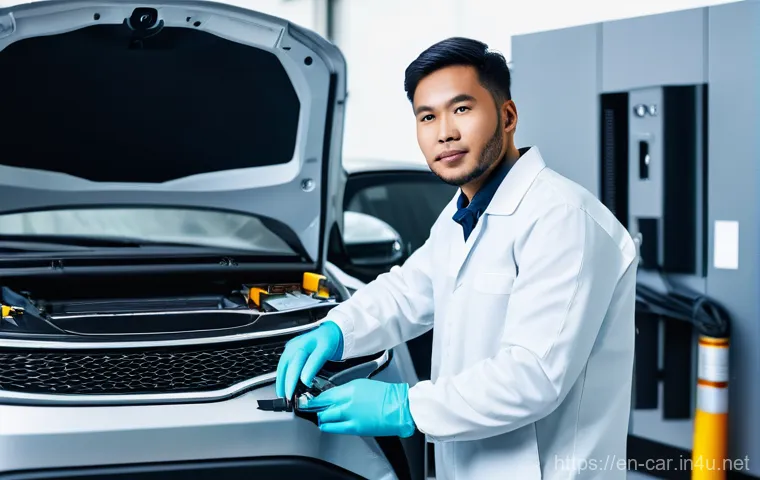
Okay, so let’s cut to the chase: if you still picture auto mechanics as greasy guys covered in oil, just endlessly turning wrenches, you’re missing the bigger, much more exciting picture. I mean, seriously, the automotive world has undergone a mind-blowing transformation right before our eyes! We’re talking about incredibly sophisticated vehicles that are essentially rolling computers, packed with more tech than your average smart home. Think about it: advanced driver-assistance systems, complex diagnostic software, electric powertrains that are redefining performance, and connectivity features that make cars part of our digital lives. When I first started looking into this field years ago, even I was surprised by how much things had changed. It’s not just about fixing what’s broken anymore; it’s about understanding intricate systems, diagnosing issues with cutting-edge tools, and staying ahead of the curve as technology races forward. This isn’t your grandpa’s garage; it’s a dynamic, ever-evolving landscape that truly rewards those with a passion for learning and a knack for problem-solving. It’s a place where you’re constantly challenged, constantly growing, and honestly, never bored. I’ve heard countless stories from people who’ve transitioned into this, and they all say the same thing: it’s exhilarating!
From Grease Monkey to Tech Guru
Let’s ditch the outdated “grease monkey” stereotype for good. Modern auto technicians are, without a doubt, tech gurus. They’re fluent in diagnostic software, adept at interpreting complex data streams, and masters of advanced electrical systems. I’ve personally watched technicians at work who can pinpoint an issue with a hybrid vehicle’s battery management system using a tablet, then seamlessly move to recalibrating sensors for an autonomous braking system. It’s truly fascinating! They’re not just replacing parts; they’re analyzing data, performing software updates, and ensuring all those interconnected systems communicate perfectly. The precision and technical acumen required are immense, making it a role that demands continuous education and a sharp mind. My own exploration into this showed me just how much cerebral work goes into what many might still think of as purely manual labor. It’s a career that combines hands-on work with serious brainpower, offering a fantastic balance for those who love both aspects.
Why Modern Cars Demand Modern Skills
Every new model year brings a fresh wave of innovation, and with it, a demand for updated skills. Think about the proliferation of electric vehicles (EVs) alone – these aren’t just cars; they’re complex machines with high-voltage systems, intricate battery cooling loops, and unique propulsion technologies that require specialized knowledge to service safely and effectively. Beyond EVs, even traditional gasoline cars are integrating more sophisticated electronics for everything from fuel efficiency to infotainment. This means that a technician trained solely on older models would be completely lost trying to fix a late-model vehicle. The industry isn’t just asking for mechanics; it’s crying out for diagnosticians, electrical specialists, and certified EV experts. This constant evolution is actually what makes the field so appealing to many – it guarantees that you’ll always be learning, always developing new expertise, and always a step ahead of the curve. Trust me, continuous growth is built right into this career path, and it feels incredibly rewarding.
Unlocking Incredible Earning Potential and Job Stability
One of the biggest concerns anyone has when thinking about a career change is, naturally, the financial aspect. Can I really make a good living? Will this be a stable path for my future? From everything I’ve observed and gathered, the answer in the automotive service industry is a resounding “Yes!” The demand for skilled technicians, particularly those who specialize in areas like advanced diagnostics, electric vehicles, and heavy-duty trucks, is absolutely booming. This isn’t just about finding a job; it’s about securing a career with excellent earning potential and remarkable job stability, which feels like a breath of fresh air in today’s unpredictable world. I’ve talked to countless individuals who’ve successfully transitioned, and their stories consistently highlight how a specialized skill set in this field translates directly into impressive paychecks and a sense of financial security that many other industries just can’t offer right now. It truly is a pathway to not just stable employment, but also genuine financial independence, allowing you to build the life you’ve always wanted without constantly worrying about your next paystub. The confidence that comes with knowing your skills are in high demand is priceless, I tell you.
What Today’s Auto Techs Are Earning
Let’s talk numbers because, let’s be honest, that’s often what drives our career choices. While salaries can vary based on location, experience, and specialization, many experienced automotive technicians, especially those with advanced certifications, are earning salaries that comfortably compete with, and often surpass, many white-collar jobs. I’ve seen figures for specialized technicians, particularly those working on complex electrical systems or luxury brands, often reaching well into the $60,000 to $80,000 range annually, with top earners in specific niches or management roles pulling in over $100,000. These aren’t entry-level wages, of course, but with consistent effort, continuous learning, and gaining those crucial certifications, these figures are absolutely attainable. The beauty of it is that your earning potential directly correlates with your commitment to mastering new technologies. It’s a field where your expertise is genuinely valued and compensated accordingly, which feels incredibly fair and motivating.
The Future of Job Security in a Growing Field
In an age where automation and AI are making many jobs obsolete, the role of a skilled automotive technician stands out as remarkably future-proof. Cars, trucks, and all sorts of vehicles will always need to be maintained, diagnosed, and repaired by human experts. In fact, as vehicles become more complex, the need for highly skilled technicians actually increases, not decreases. The sheer volume of vehicles on the road, coupled with the rapid adoption of new technologies like EVs and autonomous features, ensures a constant and growing demand for qualified professionals. This isn’t a flash-in-the-pan trend; it’s a fundamental, ongoing need. When I was researching this, what really struck me was how many industry reports pointed to a significant shortage of skilled technicians. This shortage means job security for those entering the field is incredibly high, and employers are often willing to invest in training and offer competitive benefits to attract and retain top talent. It gives you a feeling of security that’s hard to find elsewhere, knowing your skills are essential and highly sought after.
Your Roadmap to Success: Essential Certifications
Alright, so you’re probably thinking, “This sounds amazing, but how do I actually get there?” The answer, my friend, is through certification. Think of it as your official stamp of approval, proof that you’ve got the chops and the knowledge to tackle the complexities of modern vehicles. It’s not just about getting a piece of paper; it’s about acquiring a structured, comprehensive education that equips you with practical skills and theoretical understanding. From my extensive research and talking to people who’ve been through it, the path to a fulfilling automotive career almost always starts with a recognized certification program. These programs are designed to give you a solid foundation, ensuring you’re not just guessing your way through repairs but genuinely understanding the underlying principles. It’s like getting your pilot’s license before flying a plane – essential for safety, expertise, and, ultimately, success. The confidence you gain from these programs is immense, and employers absolutely look for it. It shows them you’re serious, you’re trained, and you’re ready to contribute from day one.
Deciding on the Right Training Program
Choosing the right automotive training program is a critical first step, and it can feel a little overwhelming with all the options out there. Should you go for a technical school, a community college, or perhaps an apprenticeship? Each has its merits, and what’s best for you might depend on your learning style, financial situation, and career aspirations. Technical schools often offer focused, accelerated programs that get you into the workforce quicker, while community colleges might provide a broader educational experience, sometimes including general education courses. Apprenticeships, on the other hand, offer invaluable on-the-job training, often coupled with classroom instruction, giving you practical experience while you learn. When I was looking into this, I found that programs accredited by organizations like the ASE (Automotive Service Excellence) Education Foundation are usually a fantastic bet, as they ensure a high standard of education and relevance to industry needs. Don’t be afraid to visit different schools, talk to instructors, and even chat with current students. Their insights can be incredibly valuable in making your decision. Ultimately, the best program is one that fits your goals and provides a clear pathway to certification.
The Power of ASE Certification
If there’s one credential that truly stands out in the automotive service industry, it’s ASE certification. Seriously, this is the gold standard. ASE, which stands for Automotive Service Excellence, is an independent, non-profit organization that certifies automotive professionals. Their certifications cover practically every area of automotive repair, from engine repair and automatic transmissions to steering and suspension, and even advanced diagnostics and light vehicle diesel engines. What I love about ASE certification is that it’s not just about initial training; it requires re-certification every five years, ensuring that technicians stay current with evolving technology. This commitment to ongoing learning is precisely what makes ASE-certified technicians so highly respected and sought after. Employers know that an ASE-certified tech has demonstrated a high level of competence and professionalism. For you, it means better job prospects, higher earning potential, and a fantastic sense of pride in your expertise. I’ve seen countless resumes where “ASE Certified” was the first thing hiring managers looked for, and it genuinely makes a difference in opening doors and commanding a better salary. It’s an investment in your career that pays dividends for years to come.
Real-World Transformations: Stories That Inspire
There’s nothing quite as motivating as hearing real stories from people who have successfully navigated a career change, especially into a field like automotive service. I’ve had the privilege of speaking with several individuals who took the plunge, leaving behind unfulfilling jobs for the dynamic world of auto mechanics, and their journeys are genuinely inspiring. These aren’t just one-off tales; they represent a common thread of passion, perseverance, and the incredible impact a solid certification can have. What always strikes me is the common sentiment of newfound purpose and satisfaction. Many people feel trapped in roles that offer little challenge or growth, but the automotive industry, with its constant technological advancements, provides an environment where continuous learning isn’t just encouraged, it’s essential and incredibly rewarding. From my perspective, these stories aren’t just anecdotes; they’re blueprints, showing us what’s truly possible when you decide to invest in yourself and chase a career that genuinely excites you. It’s proof that with the right training and determination, you can absolutely redefine your professional journey and achieve something truly meaningful and financially stable.
From Retail to Roadside Assistance: One Mechanic’s Journey
Let me tell you about Sarah. She spent years working in retail, feeling completely unfulfilled and battling inconsistent hours and low pay. One day, a friend mentioned how much he loved his job as a mechanic, and something clicked for her. She was always good with her hands and enjoyed figuring out how things worked. So, she enrolled in a local automotive technical program, earned her certifications, and within a year, she landed a job with a prominent roadside assistance company. Her days are now dynamic – she’s out there, solving problems, helping people, and constantly learning new things about different vehicle models. She told me, “It’s tough sometimes, but I wake up excited to go to work. I’m actually building a skill, not just selling products.” Her income dramatically increased, she has excellent benefits, and she feels a sense of accomplishment every single day. Her story perfectly illustrates how a passion for solving mechanical puzzles, combined with proper training, can completely transform one’s life. It’s about finding a job that resonates with you and empowers you.
Building a Business: The Entrepreneurial Path
Then there’s Mark, who initially worked for a dealership after getting his automotive certifications. He gained invaluable experience working on various makes and models, but he always harbored an entrepreneurial spirit. After five years, with a solid client base and a reputation for excellent service, he decided to open his own independent repair shop. It was a huge leap of faith, but his expertise and the trust he had built paid off. Today, his shop is thriving, specializing in European luxury cars, and he’s even hired a couple of junior technicians. He attributes his success not just to his mechanical skills but to the foundational knowledge he gained in his certification program, which included some basic business principles for shop management. Mark’s journey demonstrates that an automotive certification isn’t just a ticket to employment; it can be a springboard to building your own successful enterprise. The demand for reliable, skilled mechanics means that owning your own shop, mobile repair service, or specialized diagnostic center is a very tangible and rewarding dream. It’s a career path that offers ultimate autonomy if you have the drive for it.
Riding the Electric Wave: Specializing in EVs
If you’re looking for a sure-fire way to future-proof your career in the automotive industry and position yourself for incredible growth, then specializing in electric vehicles (EVs) is absolutely the way to go. I’ve been closely watching the automotive market, and the shift towards electrification is not just a trend; it’s a full-blown revolution. Major manufacturers are pouring billions into EV development, governments are pushing for greener transportation, and consumers are increasingly embracing electric cars. This massive transition is creating an entirely new segment within automotive service that is absolutely starved for qualified technicians. Honestly, when I first started looking at the numbers, I was astounded by the projected growth in EV sales and, consequently, the urgent need for people who know how to service them. This isn’t just about understanding a different type of engine; it’s about mastering high-voltage electrical systems, complex battery technologies, and unique diagnostic protocols. It’s an exciting frontier, and getting in on the ground floor with EV expertise puts you in an incredibly powerful position in the job market, opening doors to highly specialized and well-paying roles. You can literally be part of shaping the future of transportation!
Why EV Expertise is Gold
Seriously, EV expertise is like holding a golden ticket in today’s automotive job market. The technology is new, rapidly evolving, and requires highly specialized training that many older generations of mechanics simply don’t have. This creates a significant skill gap, meaning that technicians certified in EV maintenance and repair are in extremely high demand. Employers, from dealerships to independent shops and even specialized charging infrastructure companies, are actively seeking individuals with this knowledge. They are often willing to offer premium salaries and excellent benefits to attract and retain these specialists. Moreover, working on EVs often involves a cleaner, quieter work environment compared to traditional internal combustion engine vehicles, which is a bonus for many. I’ve heard directly from hiring managers that finding qualified EV technicians is one of their biggest challenges right now, which tells you just how valuable this specialization truly is. It’s a niche that offers immense stability and growth potential, making it one of the smartest career moves you could make today.
Staying Ahead: Training for Tomorrow’s Vehicles

The pace of innovation in the EV sector is breathtaking, which means continuous learning isn’t just a suggestion—it’s an absolute necessity. To truly stay ahead, technicians need to commit to ongoing training that covers the latest battery chemistries, motor designs, power electronics, and software updates for electric vehicles. Manufacturers are constantly releasing new models with advanced features, and independent training providers are developing courses to keep up. I recommend looking for specialized certifications in EV diagnostics, high-voltage battery repair, and even specific brand-focused training if you have a particular interest. This proactive approach ensures you remain an indispensable asset to any automotive service team. Remember, the investment you make in your education today will pay off exponentially as the EV market continues to expand. It’s not just about fixing today’s cars; it’s about being prepared for the vehicles of tomorrow, ensuring your skills remain relevant and highly compensated for years to come. This commitment to continuous professional development is what really separates the good technicians from the truly exceptional ones.
Beyond the Shop Floor: Diverse Career Avenues
While the image of a mechanic working on a vehicle in a shop bay is the most common, the truth is that an automotive certification opens doors to a surprisingly diverse range of career paths, extending far beyond traditional repair work. This is something I’ve found incredibly exciting about the industry; it’s not a one-size-fits-all career. Your foundational knowledge in vehicle systems, diagnostics, and repair can be leveraged in numerous ways, leading to roles in management, technical instruction, sales, or even specialized fields like accident reconstruction or automotive journalism. The skills you develop are highly transferable and valuable in various sectors that intersect with the automotive world. I’ve met people who started as technicians and are now managing entire service departments, others who teach the next generation of mechanics, and some who consult for major auto manufacturers on new vehicle development. This adaptability makes an automotive career incredibly robust and offers ample opportunities for professional growth and diversification, ensuring you’re never truly stuck doing just one thing if you decide to explore other avenues. It’s about building a versatile skill set that gives you options.
Teaching, Management, and Diagnostic Specialization
Many experienced technicians find immense satisfaction in transitioning into teaching roles at technical schools or community colleges, sharing their practical knowledge with aspiring mechanics. Others climb the ladder into management positions, overseeing service departments, parts departments, or even entire dealership operations. These roles often require a blend of technical expertise, leadership skills, and customer service acumen. Then there’s the highly specialized world of diagnostic technicians – these are the true problem-solvers, the ones who get called in when no one else can figure out what’s wrong with a vehicle. They use advanced tools and their deep understanding of vehicle electronics to troubleshoot the trickiest issues. I’ve personally witnessed the sheer respect these diagnostic specialists command; they are essentially the doctors of the automotive world. These are just a few examples of how an initial certification can lead to incredibly rewarding and intellectually stimulating roles that leverage your technical foundation in new and exciting ways. The ceiling for growth in this industry is genuinely high if you have the ambition.
Finding Your Niche in a Vast Industry
The automotive industry is incredibly vast, offering numerous niches for those with specialized interests. Do you have a passion for classic cars? There are shops dedicated solely to restoration. Are you fascinated by high-performance vehicles? You could work for a tuning shop or even a racing team. Perhaps you’re interested in the commercial side? You could become a service writer, a parts manager, or even move into automotive sales. Some technicians specialize in specific components, like transmissions or air conditioning systems, becoming true experts in their field. There are also roles in fleet maintenance for delivery companies or government agencies, which offer different challenges and environments. When I dug into this, I was amazed by the sheer breadth of opportunities. The key is to explore what truly excites you and then pursue additional training or experience in that specific area. Your automotive certification is the perfect foundation, and from there, the possibilities for carving out a unique and fulfilling career path are almost limitless. It’s about tailoring your journey to your personal passions and skills.
Building Your Skillset: Continuous Learning for Longevity
Let’s be real: in any dynamic industry, if you’re not moving forward, you’re essentially falling behind. And in the automotive world, with its relentless pace of innovation, continuous learning isn’t just a nice-to-have; it’s an absolute game-changer for career longevity and earning potential. I mean, think about it – a car from even five years ago is vastly different in terms of technology compared to a brand-new model today. This constant evolution is precisely why dedicated automotive professionals are always seeking out new training, workshops, and certifications. It’s not just about staying relevant; it’s about becoming an invaluable asset, someone who can tackle the challenges of today’s vehicles and confidently anticipate the needs of tomorrow’s. I’ve seen firsthand how technicians who embrace ongoing education quickly rise through the ranks, often becoming mentors to their peers and earning the trust of both employers and customers. This commitment to self-improvement is what really separates the good technicians from the truly exceptional ones, the kind who build thriving, lifelong careers. It’s about cultivating a mindset of curiosity and always being eager to absorb new knowledge.
Staying Current with Industry Advancements
The automotive industry never sleeps, and neither should your pursuit of knowledge. From the latest diagnostic tools that speak a car’s complex digital language to new materials in vehicle construction that require specialized repair techniques, there’s always something new to learn. Many manufacturers offer brand-specific training programs that are invaluable for technicians working in dealerships, keeping them up-to-date on proprietary systems and components. Beyond that, independent training organizations frequently host seminars and workshops covering emerging technologies like advanced driver-assistance systems (ADAS) calibration, hydrogen fuel cells, and sophisticated infotainment integration. I often advise aspiring technicians to subscribe to industry journals, attend trade shows, and participate in online forums where experienced professionals share insights. These avenues provide critical information and networking opportunities that are essential for staying current. It’s a proactive approach that ensures your skills remain sharp and your expertise remains in high demand, no matter how much the industry transforms around you. This ongoing engagement is truly key to long-term success.
Valuable Specializations for Future Growth
While a broad understanding of automotive systems is crucial, strategic specialization can dramatically boost your career trajectory and earning power. Think about it: specific areas are experiencing massive growth and a severe shortage of skilled professionals. We’ve already touched on electric vehicles, but consider heavy-duty diesel engines, essential for commercial trucks and buses, or advanced driver-assistance systems (ADAS) recalibration, which is becoming standard on more vehicles every year. Even areas like vehicle cybersecurity are emerging as critical specializations. For example, knowing how to diagnose and repair issues with complex telematics systems or even protect a vehicle’s software from vulnerabilities could become incredibly valuable. I’ve often seen technicians who deep-dive into a particular niche become the go-to experts, not just in their shop, but sometimes across an entire region. This allows them to command higher pay and opens doors to consulting roles or even starting their own specialized service centers. It’s about identifying where the industry is headed and positioning yourself to be at the forefront of that change, securing your relevance and success for years to come.
Here’s a quick overview of some sought-after automotive certifications:
| Certification Type | Key Focus Areas | Career Impact |
|---|---|---|
| ASE Master Technician | Comprehensive across multiple vehicle systems (Engine, Brakes, Electrical, etc.) | Highest recognition; broad job opportunities, higher earning potential |
| Electric Vehicle (EV) Specialist | High-voltage systems, battery technology, EV diagnostics, safety protocols | High demand in a rapidly growing sector, premium wages, future-proof |
| Advanced Diagnostics & Drivability | Complex troubleshooting, engine performance, emissions, sensor calibration | Expert problem-solver role, often the highest paid technician specialty |
| Heavy-Duty Truck Technician | Diesel engines, commercial vehicle systems, hydraulics, air brakes | Strong demand in logistics and transportation, stable career |
| Collision Repair & Refinishing | Structural repair, paint matching, bodywork, safety system integration after collision | Specialized demand in autobody shops, crucial for vehicle safety post-accident |
Financial Freedom: What You Can Really Earn
Let’s talk turkey about money, because at the end of the day, a career change often boils down to financial aspirations and the desire for a better quality of life. What truly impressed me in my exploration of the automotive service industry wasn’t just the potential for stable employment, but the genuine opportunity for significant financial freedom. This isn’t just about getting by; it’s about thriving. When you invest in your skills, particularly through certifications, you’re investing in an asset that compounds over time. I’ve seen so many individuals, after dedicating themselves to their training and gaining a few years of experience, achieve a level of financial independence they never thought possible in their previous careers. We’re talking about being able to afford a comfortable home, pay for your kids’ education, save for retirement, and even enjoy those little luxuries that make life sweeter. It’s a tangible outcome of hard work and strategic career planning, and it feels incredibly empowering to control your financial destiny in such a direct way. The clarity around earning potential in this field is wonderfully refreshing.
Average Salaries and Growth Potential
While “average salary” can sometimes feel like a nebulous term, the data consistently shows a healthy earning landscape for skilled automotive technicians. Entry-level positions might start in the $35,000-$45,000 range, but with just a few years of experience and a few key certifications, that number can quickly climb to $50,000-$70,000 or even higher. As I mentioned earlier, specialized technicians or those in management often exceed $80,000 annually, and I’ve even seen highly sought-after experts hit six figures. The growth potential isn’t just linear; it’s exponential when you factor in specialization, continuous learning, and gaining a reputation for excellence. Many shops offer performance bonuses, overtime opportunities, and comprehensive benefits packages that add substantial value to the overall compensation. It’s a field where your dedication to mastering your craft directly translates into a more comfortable and prosperous life, allowing you to build wealth and secure your family’s future. This kind of upward mobility is a huge draw for many making the leap into this industry.
Entrepreneurship and Financial Independence
Beyond traditional employment, the automotive service industry is a fertile ground for entrepreneurship, offering a direct path to true financial independence. Many technicians, once they’ve honed their skills and built a network, choose to open their own repair shops, mobile diagnostic services, or even specialized modification businesses. This entrepreneurial route allows you to set your own hours, build your own team, and directly reap the rewards of your hard work and business savvy. I’ve spoken with several shop owners who started with nothing more than their tools and a certification, and today they run thriving businesses, providing excellent service to their communities and enjoying a level of financial autonomy they could only dream of in their previous jobs. The demand for reliable and skilled automotive service is constant, providing a stable foundation for small business success. It’s a chance to be your own boss, to build something from the ground up, and to create lasting wealth. If you have that entrepreneurial spark, combining it with an automotive trade is a fantastic recipe for achieving ultimate financial freedom.
Concluding Thoughts
Phew, what a journey we’ve been on, right? It’s clear that the automotive industry isn’t just about cars; it’s about people, passion, and incredible progress.
I genuinely hope that diving into these insights has opened your eyes to the boundless opportunities awaiting you. Whether you’re a seasoned professional looking for a fresh challenge or just starting to dream about a new career, remember that the road ahead is wide open, filled with exciting possibilities.
Trust me, investing in yourself and your skills in this vibrant field is one of the best decisions you could make, promising not just a job, but a truly rewarding and future-proof career.
It’s a chance to build something amazing, both professionally and personally.
Useful Information to Know
1. Networking is absolutely key in this industry. I’ve seen firsthand how connecting with current technicians, instructors, and other industry professionals can open doors you didn’t even know existed. Online forums, local trade shows, and even career fairs at technical schools are goldmines for advice, mentorship, and invaluable job leads. Remember, it’s often not just what you know, but who you know, especially when you’re just starting to carve out your niche in a dynamic field like automotive service. Building those relationships early on can provide a significant leg up and offer insights that no textbook ever could.
2. Hands-on experience genuinely matters more than words can say. While earning those certifications is undeniably crucial, nothing quite compares to getting practical experience under your belt. Actively seek out internships, apprenticeships, or even volunteer opportunities at local independent shops or dealerships. Getting your hands dirty early on will not only solidify your theoretical learning but will also make you incredibly more marketable to potential employers. There’s a world of difference between reading about a repair and actually performing it, and employers always prefer candidates who’ve already put in that practical groundwork.
3. Don’t let the perceived cost of education deter you from your dreams. Seriously, many technical schools and industry organizations offer a wealth of scholarships, grants, and comprehensive financial aid packages specifically designed for automotive programs. It’s worth spending some time researching these options; a quick search or a chat with a school’s financial aid office can uncover resources you might not even know exist. Investing in your education is investing in your future, and there are often pathways to make that investment more manageable than you might think.
4. Embrace continuous learning as your career’s guiding principle. The automotive world is a relentless innovator, evolving at lightning speed. What’s cutting-edge today might be standard tomorrow, and obsolete the day after. Make a steadfast commitment to ongoing education, whether that means pursuing new certifications, attending manufacturer-specific training sessions, or diving into online courses that keep you sharp on emerging technologies. Staying ahead of the curve means staying relevant, invaluable, and consistently in high demand, ensuring your expertise remains fresh and your career trajectory keeps climbing.
5. Beyond your technical prowess, developing strong soft skills is absolutely vital. While being brilliant with a wrench or a diagnostic tool is essential, you’ll be constantly interacting with clients, colleagues, and suppliers. The ability to communicate clearly, solve problems collaboratively, and provide exceptional customer service can elevate a good technician to a truly great one. I’ve often seen how technicians who excel in these interpersonal areas not only build stronger client relationships but also find themselves in leadership roles, proving that being a great mechanic also means being a great person to work with.
Key Takeaways
So, what’s the big picture here? The automotive industry has truly evolved into a high-tech, dynamic landscape, moving far beyond the old stereotypes. We’re talking about a field that absolutely craves skilled professionals, especially those keen on continuous learning and embracing cutting-edge technologies. This isn’t just a job; it’s a career path brimming with incredible earning potential and robust job security, a rare gem in today’s unpredictable world. Specialized certifications, particularly those from organizations like ASE and focused training in electric vehicles, are your golden tickets to unlocking premium opportunities and positioning yourself at the forefront of innovation. And remember, your skills aren’t confined to the garage – this industry offers a surprisingly diverse array of career avenues, from teaching the next generation to running your own successful business. Ultimately, your commitment to learning, adapting, and growing will be the fuel that drives your success, ensuring a fulfilling and financially rewarding journey in this exciting profession.
Frequently Asked Questions (FAQ) 📖
Q: s) about diving into a career in automotive mechanics, crafted with you in mind!Q1: What kind of background do I really need to get started in automotive, especially with all the new electric vehicles and high-tech systems?
A: This is such a common question, and I love it because the answer is probably more encouraging than you think! You might imagine needing a ton of prior experience or a super advanced degree, but honestly, that’s not always the case.
What truly matters most is a genuine passion for how things work, a strong desire to learn, and a fierce drive, as I like to call it. Of course, a high school diploma or GED is usually the baseline.
Beyond that, many successful technicians I’ve spoken with started with a vocational training program in automotive service technology. These programs are fantastic because they give you the foundational knowledge and, more importantly, that crucial hands-on experience you just can’t get from a textbook.
Think engines, transmissions, electrical systems, and yes, even the complex computer diagnostics that are everywhere now. For the cutting-edge stuff like electric vehicles (EVs), specialized training is becoming increasingly vital.
Many automotive technology programs now incorporate EV content directly into their curriculum. You can even find dedicated EV technician training courses that dive deep into high-voltage systems, battery technologies, and electric propulsion.
The beauty of it is that you don’t necessarily need prior technician experience to enroll in these—your eagerness to learn is often the biggest qualifier!
Some places even offer entry-level roles, like a lube technician, where you can start learning on the job and gradually work your way up. It’s truly a field where continuous learning is baked into the job, and that’s incredibly exciting if you’re someone who loves to grow.
Q: What’s the real earning potential and what kind of career paths can I expect once I’m in the automotive service industry?
A: This is where it gets really exciting because the earning potential in automotive service, especially with specialization, can be seriously impressive!
Many people underestimate just how much skilled technicians can make. In May 2024, the median annual wage for automotive service technicians and mechanics in the United States was around $49,670, but that’s just the median.
I’ve seen countless stories of technicians, particularly those with specialized skills in areas like advanced diagnostics or electric vehicles, earning significantly more.
For example, some electric vehicle technicians can make an average annual salary around $61,892, with top earners pushing well into the $70,000 to even $95,500 range or more, depending on location and experience.
That’s a huge jump! Your salary potential really grows with your experience, your certifications (like those from the National Institute for Automotive Service Excellence, or ASE, which are gold standard), and your willingness to specialize.
Beyond being a general technician, the career paths are incredibly diverse. You could become a diagnostic specialist, a master technician, or even specialize in heavy vehicle maintenance.
I’ve also personally seen many ambitious individuals transition into roles like service writer/advisor, shop foreman, or even go on to open their own auto repair businesses.
This entrepreneurial route offers incredible financial independence and the chance to truly be your own boss. The demand for skilled technicians is also projected to grow, with around 70,000 openings each year, meaning there’s a strong job market waiting for you.
Q: This sounds fantastic! But if I’m thinking about making this career leap, what’s the very first practical step I should take?
A: I totally get that feeling of excitement mixed with “where do I even begin?” Based on my research and connecting with folks who’ve successfully navigated this change, the absolute first step is to explore local training programs and certifications.
Think about it: while some learn on the job, formal training gives you a structured foundation and often includes hands-on experience that makes you immediately valuable.
Look for automotive technology programs at trade schools or community colleges in your area. Many of these programs are designed to get you certified and job-ready in a relatively short amount of time—some core automotive programs can be completed in under a year, like 51 weeks!
Don’t just pick any program; look for one that emphasizes practical, hands-on training and has experienced instructors. If you’re really drawn to the high-tech side, ensure they offer specialized training in electric vehicles or advanced diagnostics.
Some manufacturers, like Ford, even have specific training programs that can fast-track you into their dealerships. If you’re on a tight budget, don’t dismiss the possibility of starting as an entry-level lube technician at a dealership or quick-lube shop.
While the pay might be lower initially, it’s a way to get your foot in the door, learn the ropes, and often get company-sponsored training to advance.
The key is to be upfront about your desire to learn and grow within the company. Remember, this isn’t just a job; it’s an evolving trade, and investing in your skills from day one is the best way to secure a thriving future.