Hey everyone! If you’re anything like me, the mere thought of a practical car repair exam can send a few butterflies fluttering in your stomach. We spend countless hours poring over textbooks and diagrams, mastering the theoretical side of things, but stepping into that workshop and having to perform under the clock?
That’s a whole different beast. I’ve been in your shoes, and I know firsthand how those tiny, often overlooked, tips and tricks can be the absolute game-changers between just passing and truly excelling.
It’s not just about knowing how to turn a wrench; it’s about precision, efficiency, and showcasing a real understanding that only comes from genuine, hands-on experience and smart preparation.
The automotive industry is always evolving, with new tech hitting the roads constantly, making solid practical skills more crucial than ever for a successful career.
I’ve gathered some invaluable insights over my years in the garage that I genuinely believe can make a world of difference for you. If you’re ready to ditch the exam jitters and approach your practical with rock-solid confidence, then you’ve absolutely landed in the right spot.
Let’s dive in and get you perfectly prepped!
Setting Up Your Arena: The Art of Workspace Organization

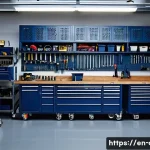
Every Tool in Its Place: The Efficiency Advantage
When you walk into that exam bay, the clock starts ticking the moment you touch a vehicle. Trust me, I’ve seen countless students—and even seasoned pros on a busy day—lose precious minutes just hunting for a socket or a specific wrench.
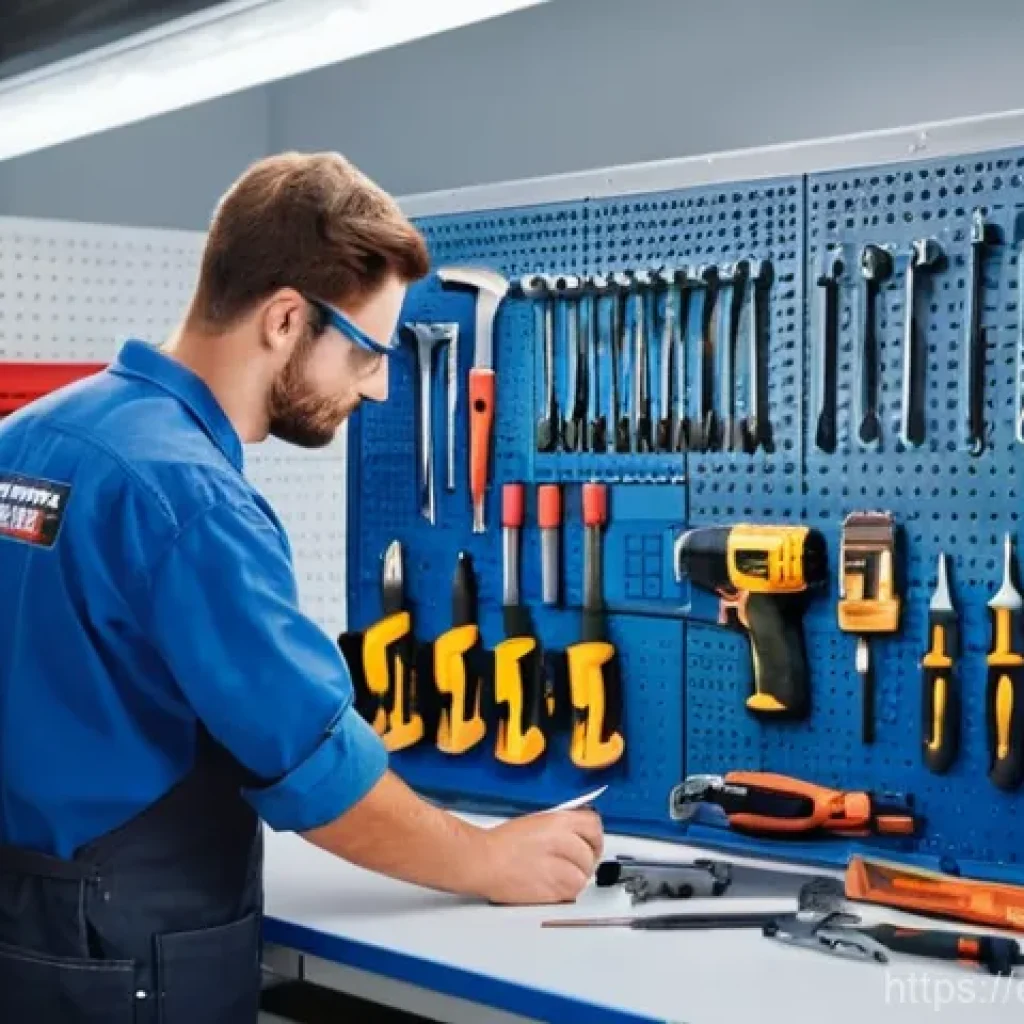
It’s not just about knowing what tool to use; it’s about being able to grab it blindfolded. My personal philosophy? “A place for everything, and everything in its place.” Before you even lay a hand on the car, take a moment to survey your workbench.
Are your most frequently used tools within arm’s reach? Are your sockets organized by size, and your screwdrivers by type? This isn’t just about neatness; it’s a strategic move to optimize your time and reduce mental clutter.
I once had a challenging fuel pump replacement during an exam, and the seamless flow from diagnostics to part removal, all thanks to a meticulously organized toolbox, saved me crucial minutes that I could then dedicate to double-checking my work.
That feeling of confidently reaching for the exact tool you need, without breaking your concentration, is truly empowering. It gives you a sense of control and allows your brain to focus entirely on the repair task at hand, rather than wrestling with disorganization.
Pre-Checking Your Gear: No Surprises Allowed
Beyond just organizing, it’s absolutely vital to do a quick health check on your tools before the exam officially begins. There’s nothing worse than grabbing a multimeter only to find the batteries are dead, or a torque wrench that hasn’t been calibrated in ages.
I learned this the hard way during an apprenticeship; a faulty gauge almost led to an incorrectly tightened wheel lug, which could have been disastrous.
So, before the examiner gives the go-ahead, take a moment. Ensure your air tools are properly lubricated, your diagnostic scanners are charged and updated, and any specialty tools are functioning correctly.
This small habit, often overlooked, is a cornerstone of professionalism and efficiency. It demonstrates foresight and a proactive approach, qualities that examiners definitely notice.
Think of it as your pre-flight check before you take off on your repair mission. A little proactive maintenance on your tools can save you a huge headache and wasted time when every second counts.
It’s about setting yourself up for success from the very first minute.
Decoding the Problem: Mastering Your Diagnostic Process
Listen to the Vehicle: Symptoms are Your Clues
Diagnosing a car’s issue is often more detective work than wrench-turning. When you’re presented with a problem, don’t just jump to conclusions or immediately reach for the scan tool.
Take a deep breath and truly “listen” to the vehicle, or carefully read the work order details. What are the symptoms? Is there a strange noise, an unusual vibration, a specific performance issue?
I remember a scenario where a car was misfiring, and my initial instinct was to check the spark plugs. But after asking a few more questions and really focusing on the *type* of misfire, I realized it was more likely a fuel delivery problem.
Relying solely on fault codes can sometimes lead you down a rabbit hole. Codes tell you *where* to look, but not always *what* the precise cause is. Combine your theoretical knowledge with observational skills.
A visual inspection, listening for unusual sounds, or even smelling for burnt odors are all critical steps in narrowing down the possibilities. This systematic approach not only impresses the examiner but also leads to more accurate and efficient repairs in the real world.
It’s about thinking critically before you act.
The Step-by-Step Methodology: Leave No Stone Unturned
Once you’ve gathered your initial clues, it’s time to apply a systematic diagnostic methodology. This isn’t just about randomly testing components; it’s about following a logical flow.
Start with the simplest, most likely culprits and progressively move to more complex possibilities. For instance, if you suspect an electrical issue, begin by checking fuses, then voltage at connections, then continuity.
I’ve found that breaking down the diagnostic process into smaller, manageable steps prevents overwhelm and reduces the chance of overlooking something critical.
Always document your findings, even if it’s just mental notes or a quick sketch on a notepad. This isn’t just for the examiner; it’s a habit that will serve you well throughout your career.
A well-executed diagnostic sequence not only saves time but also demonstrates a true understanding of vehicle systems, which is what examiners are truly looking for.
Showing that you can think through a problem, rather than just guessing, is a huge differentiator.
Precision and Poise: Executing the Repair with Confidence
Double-Check Everything: The Golden Rule
Once you’ve identified the problem and performed the repair, the job isn’t over until you’ve double-checked your work. This is where many students rush and make avoidable mistakes.
Did you torque all bolts to spec? Are all electrical connectors seated firmly? Are fluids topped off and at the correct level?
I once forgot to re-secure a vacuum line after replacing a manifold gasket, and the resulting rough idle immediately flagged my oversight. It was an easy fix, but it cost me points and a good chunk of my allocated time.
Examiners are specifically looking for thoroughness and attention to detail. This isn’t just about getting the car running; it’s about ensuring it runs *safely* and *reliably*.
Taking those extra few minutes to visually inspect, tug on connections, and re-check specifications can literally be the difference between a pass and a fail.
It shows a commitment to quality and safety that is paramount in our industry.
The Post-Repair Test Drive (or Simulation): Verifying Your Work
In a real-world scenario, you’d always perform a test drive after a significant repair. In an exam, while a full test drive might not always be possible, you’ll likely have a functional check or a simulated scenario.
This is your moment to prove that your repair was successful. Pay close attention to any remaining symptoms. Does the engine sound right?
Are there any warning lights? Does the system you worked on operate as expected? I vividly remember a practical exam where I had to replace brake pads.
After the job, I meticulously bled the system and then simulated a brake check, confirming firm pedal pressure and no leaks. This final verification step solidifies your repair and instills confidence in your examiner that you haven’t just fixed a part, but you’ve restored the vehicle to proper working order.
Never skip this crucial validation step.
Navigating Common Traps: What Examiners Really Look For
Avoiding the “Tunnel Vision” Pitfall
It’s incredibly easy to fall into “tunnel vision” during a high-stakes exam. You get a problem, you immediately think of one possible cause, and you fixate on it, even if the evidence starts pointing elsewhere.
I’ve definitely been there, stubbornly pursuing a faulty sensor when the real issue was a simple, disconnected ground wire. It’s crucial to maintain an open mind and be willing to pivot your diagnostic strategy if your initial hypothesis isn’t panning out.
Examiners often include red herring symptoms or intentionally misleading information to test your ability to critically analyze and adapt. Don’t be afraid to step back, re-evaluate, and consider alternative possibilities.
A flexible mindset demonstrates true diagnostic acumen, not just rote memorization. This ability to adjust your thinking on the fly is a hallmark of an experienced technician.
Safety First: Non-Negotiable Protocols
This might seem obvious, but you’d be surprised how often safety protocols are overlooked in the heat of the moment during an exam. Wearing your PPE, properly jacking up a vehicle, using jack stands, disconnecting the battery when working on electrical components, and ensuring your work area is clear of hazards are not just suggestions – they are absolute requirements.
I always make it a point to verbally state my safety checks, even if it feels a little bit like talking to myself, especially when I’m securing a vehicle on a lift.
This isn’t just about passing; it’s about developing habits that will keep you and those around you safe throughout your entire career. Examiners are keenly observing your adherence to safety standards.
A perfect repair means nothing if it’s performed unsafely. Make safety an integral part of every step you take.
| Key Exam Prep Area | What to Focus On | Why it Matters for Success |
|---|---|---|
| Tool Organization | Categorize, clean, and verify functionality of all hand and power tools. Ensure diagnostic equipment is charged and updated. | Saves critical time during the exam, prevents errors from faulty equipment, and projects a professional image. |
| Diagnostic Strategy | Practice systematic troubleshooting: start simple, listen to symptoms, use scan tools wisely, and document steps. | Demonstrates critical thinking, leads to accurate and efficient repairs, and avoids “parts cannon” mentality. |
| Safety Protocols | Strict adherence to PPE, proper vehicle support (jack stands), battery disconnection, and clear workspace. | Non-negotiable for personal and vehicle safety; often a pass/fail criterion; shows professionalism. |
| Communication Skills | Be prepared to clearly explain your diagnostic process, repair steps, and rationale to the examiner. | Proves deep understanding beyond just mechanical execution; builds confidence with examiners and future clients. |
| Post-Repair Verification | Always double-check torque specs, fluid levels, electrical connections, and perform functional tests/simulations. | Ensures the repair is complete, safe, and effective; prevents comebacks and demonstrates thoroughness. |
Beyond the Wrench: The Power of Communication

Articulating Your Process: Explaining Your Rationale
Many practical exams aren’t just about *doing* the repair; they’re also about *explaining* it. The examiner might ask you about your diagnostic steps, why you chose a particular tool, or what your next steps would be if your initial repair wasn’t successful.
This is your chance to shine and demonstrate your deeper understanding. Don’t just grunt out answers; articulate your thought process clearly and confidently.
For instance, instead of just saying “I checked the fuse,” explain *why* you checked that specific fuse and what its function is within the system. I remember an exam where I replaced a coil pack, and the examiner asked me to walk him through my diagnostic steps.
By clearly explaining my use of a multi-meter to check resistance and identifying the specific cylinder’s misfire, I showed that I understood the ‘why’ behind the ‘what.’ This verbal communication is as crucial as the physical repair itself.
Professionalism and Customer Service Mindset
Even though it’s an exam, try to approach it with a “customer service” mindset. How would you explain this repair to a client? How would you present yourself professionally?
This includes how you interact with the examiner, how you handle tools, and how you leave your workspace. A polite demeanor, a willingness to answer questions thoughtfully, and leaving your area clean and tidy all contribute to a positive impression.
While it’s not explicitly graded on every rubric, professionalism speaks volumes about your readiness for the industry. I’ve always found that approaching every task, even an exam, as if a real customer’s car and trust were on the line helps me maintain focus and attention to detail.
It reflects your overall attitude and respect for the craft.
Pre-Exam Power-Up: Your Ultimate Preparation Checklist
Simulate the Scenario: Practice Makes Perfect
The best way to conquer exam jitters is through rigorous practice. If possible, get access to a workshop and practice specific tasks that are likely to appear on the exam.
Time yourself. How long does it take you to perform a brake job? To diagnose a check engine light?
To replace a serpentine belt? I personally found that simulating the pressure of the exam environment, including the time constraints, helped me identify my weak spots long before the actual test.
It’s one thing to know the theory; it’s another to execute it flawlessly under pressure. Repetition builds muscle memory and confidence. The more familiar you are with the actual physical motions and diagnostic sequences, the less you’ll have to think on the fly, freeing up your mental energy for problem-solving.
Master Your Manuals and Resources
You won’t have your entire textbook library with you, but you should be intimately familiar with the types of resources you *can* use, like service manuals, wiring diagrams, or digital diagnostic tools.
Know how to navigate them quickly and efficiently. During my exams, I always made sure I knew exactly where to find torque specifications or specific wiring schematics for common vehicles.
This isn’t about memorizing everything; it’s about knowing how to find information when you need it most. This demonstrates resourcefulness, a highly valued trait in any technician.
Practice looking up information under a time limit. It’s a skill in itself that will save you countless hours over your career.
Staying Mentally Sharp: Exam Day Mindset
Breathe and Focus: Managing the Clock
It’s easy to get overwhelmed by the ticking clock and the pressure of the practical exam. I’ve found that taking a few deep breaths before you start, and even periodically during the exam, can make a huge difference.
If you hit a roadblock, don’t panic. Step back, take a moment, and reassess. Rushing often leads to mistakes.
Remember, examiners are looking for a logical, systematic approach, not necessarily warp speed. Focus on accuracy and precision first, and efficiency will follow.
I always tried to mentally break down the exam into smaller tasks, tackling one at a time, which made the overall challenge feel much more manageable.
Embrace the Learning Opportunity
Even if a mistake happens or you encounter an unexpected challenge, view it as a learning opportunity. The automotive field is constantly evolving, and every problem is a chance to grow.
Don’t let a minor setback derail your confidence. Show your resilience and your ability to troubleshoot on the fly. This positive attitude, combined with your technical skills, will leave a lasting impression.
No one expects perfection, but everyone respects a technician who can calmly work through a problem and learn from the experience.
Concluding Thoughts
And there you have it, folks! Stepping into that practical exam bay can feel like a high-stakes moment, but remember, it’s truly a culmination of all your hard work, curiosity, and countless hours spent honing your craft. Every bolt turned, every diagnostic code interpreted, every wire traced – it all leads to this. I’ve been there, felt the adrenaline, and emerged not just with a passing grade, but with invaluable lessons. The real secret weapon isn’t just knowing the answers, it’s knowing how to *think* like a technician, how to approach problems with a calm, methodical mind, and most importantly, how to prioritize safety above all else. This isn’t just a test of your skills; it’s a stepping stone to a rewarding career where every day brings a new puzzle to solve and a new opportunity to learn. Keep that passion burning, because the automotive world is always ready for skilled, dedicated hands like yours.
Useful Information to Know
1. The Power of Networking and Mentorship: Seriously, don’t underestimate the people around you. I’ve learned some of my most valuable ‘tricks of the trade’ not from textbooks, but from seasoned veterans who were generous enough to share their wisdom. Finding a good mentor in the industry can accelerate your learning curve exponentially. They’ll show you shortcuts, explain nuances that only come with experience, and even open doors to opportunities you might never have found on your own. Attend local automotive trade shows, join online forums, and don’t be afraid to strike up a conversation with an experienced tech at your local parts store. You’d be surprised how willing people are to help a passionate newcomer. Their insights can save you hours of head-scratching and turn a difficult job into a manageable one, just like a good co-worker once walked me through a particularly tricky wiring diagram during my early days.
2. Never Stop Learning – The Industry Doesn’t Stand Still: The automotive world is a dynamic beast, constantly evolving with new technologies. What was cutting-edge yesterday might be standard procedure tomorrow, and completely obsolete the day after. If you think your learning ends after your exams, think again! I make it a point to regularly attend manufacturer-specific training sessions, pore over service bulletins, and subscribe to industry publications. Staying updated on electric vehicles, advanced driver-assistance systems (ADAS), and complex diagnostics isn’t just good for your career; it keeps you relevant and competitive. The moment you stop learning is the moment you start falling behind, and trust me, you don’t want to be the tech still trying to fix a CAN bus issue with a test light. I actually took a hybrid vehicle certification last year, and it opened up a whole new segment of clients and repair work.
3. Invest Wisely in Your Tool Arsenal: Your tools are an extension of your hands, and sometimes, your brain! While you don’t need to buy every single specialty tool right out of the gate, strategically investing in quality equipment pays dividends. Think about what you use most frequently and what will make your job easier and more efficient. A good diagnostic scanner, a reliable torque wrench, and a comprehensive socket set are non-negotiables. But also consider ergonomic tools that reduce fatigue, especially if you’re spending long hours in the shop. I remember pinching pennies to get my first high-quality multimeter, and it was a game-changer for electrical diagnostics. It wasn’t just about getting the job done; it was about getting it done right, the first time, and protecting my accuracy. Always research before you buy and look for brands known for durability and accuracy. A cheap tool can cost you more in frustration and failed repairs down the line.
4. Honing Your Communication Skills – It’s Not Just About Wrenching: Being a brilliant mechanic is only half the battle; being able to effectively communicate is the other, equally crucial part. You’ll be explaining complex technical issues to customers who often have zero mechanical knowledge, collaborating with colleagues, and potentially even dealing with parts suppliers. Clear, concise, and empathetic communication can build trust, prevent misunderstandings, and enhance your professional reputation. Practice explaining repairs in plain English, without jargon, and always be prepared to answer questions patiently. I’ve found that customers appreciate honesty and clarity above all else. When I transparently walked a client through the issues with their braking system, explaining the ‘why’ behind the ‘what,’ it immediately fostered a sense of trust that goes far beyond just fixing their car. This skill impacts everything from customer satisfaction to your potential earnings.
5. Understanding the Business Side of Things: Even if you’re a technician, having a grasp of the business aspects of the automotive industry can significantly boost your career trajectory. This means understanding repair order profitability, labor rates, parts markup, and how your efficiency impacts the shop’s bottom line. Knowing how to accurately estimate repair times, minimize comebacks, and contribute to overall shop productivity makes you an invaluable asset, not just a pair of hands. I’ve seen techs move into service advising or even management roles because they understood the bigger picture. It’s about being a problem-solver not just for cars, but for the business. Being aware of your role in the shop’s financial health, much like understanding a vehicle’s interconnected systems, empowers you to make smarter decisions and better advocate for yourself and your value.
Key Takeaways
Wrapping things up, remember that excelling in automotive practical exams, and indeed in your entire career, boils down to a blend of meticulous preparation and a professional mindset. First, organization is your superpower; keep your workspace tidy and your tools checked. Second, diagnose systematically – listen to the vehicle, apply logical steps, and avoid jumping to conclusions. Third, precision and thoroughness are non-negotiable; double-check everything, from torque specs to fluid levels, and always verify your repair. Fourth, safety is paramount; make it an ingrained habit, not just an exam requirement. Finally, effective communication is the bridge between your technical expertise and client trust. Approach every task with confidence, a commitment to learning, and a passion for problem-solving. These aren’t just tips for passing an exam; they’re the foundational pillars for a successful, respected career in the fast-paced world of automotive service. Believe in your skills, embrace the challenges, and you’ll thrive.
Frequently Asked Questions (FAQ) 📖
Q: How can I best manage my nerves and stay focused during a practical car repair exam?
A: Oh, I totally get it! That feeling of butterflies doing acrobatics in your stomach right before a practical exam is something I’ve wrestled with more times than I can count.
What really helped me, and I’ve seen it work wonders for others too, is visualization. Seriously, spend a few minutes before the exam, even just in the car or a quiet corner, closing your eyes and mentally walking through each step of the procedure.
Picture yourself confidently diagnosing the issue, reaching for the right tools, performing the repair with precision, and even double-checking your work.
This isn’t just wishful thinking; it primes your brain and body for the task, making it feel less like a brand-new challenge and more like a practiced routine when you actually get to the workbench.
Also, don’t forget the power of a good night’s sleep and a solid breakfast. Believe me, trying to troubleshoot a stubborn engine with a rumbling stomach and foggy brain is a recipe for disaster.
And here’s a little secret: if you find yourself getting flustered during the exam, take a deep breath, pause for a second, and tell yourself, “I’ve got this.” Sometimes, that tiny mental reset is all you need to get back on track and nail it.
Q: What are some of those “overlooked” tips and tricks that truly make a difference in practical exams?
A: This is where the rubber meets the road, pun intended! When I was first starting out, I always thought it was about just knowing the steps. But boy, was I wrong.
Those subtle habits are what truly set you apart. First off, organization is key. Before you even touch a wrench, lay out your tools neatly.
I always arrange mine in the order I expect to use them. It saves precious seconds and keeps your workspace tidy, which examiners definitely notice. Secondly, communicate your thought process aloud, even if it feels a little silly.
Say, “I’m checking the battery voltage now because…” or “I’m torquing this bolt to spec to prevent overtightening.” This shows the examiner you’re not just blindly following steps but actually understanding the ‘why’ behind them, which is a huge part of demonstrating real mastery.
And here’s a big one that most people miss: always double-check your work! After you’ve completed a repair, go back and confirm everything is tightened, connected, and functioning correctly.
It’s like proofreading an essay – you catch those tiny errors before they become major problems. Trust me, I’ve seen too many promising technicians lose points simply because they rushed the final check.
Q: With new automotive technology constantly emerging, how can I ensure my practical skills remain up-to-date and relevant?
A: This is a question that’s more relevant now than ever before! The automotive world is like a rocket ship, constantly blasting off with new innovations, from EVs and hybrids to advanced driver-assistance systems.
Relying solely on what you learned in school just won’t cut it anymore, and I speak from experience. My top advice? Never stop learning.
I make it a point to regularly attend manufacturer-specific training courses whenever I can. These are fantastic because they get you hands-on with the latest tech directly from the folks who designed it.
If a formal course isn’t an option, dive into online resources – reputable automotive tech blogs, YouTube channels from certified mechanics, and even manufacturer service bulletins are goldmines of information.
I often spend my lunch breaks watching diagnostic videos or reading up on new fault codes. Don’t be afraid to invest in personal diagnostic tools, either.
Having your own scanner or multimeter that can handle modern vehicle systems is invaluable for practice and staying sharp. And honestly, just talking shop with seasoned technicians is incredibly helpful.
We all learn from each other’s experiences and troubleshooting triumphs (and failures!). Staying curious and proactive about your education isn’t just good for your career; it’s essential for anyone who truly loves working with cars.