Alright, so you’ve landed that dream auto mechanic job – huge congrats! That rush of excitement mixed with a healthy dose of ‘where do I even begin?’ is a feeling I know all too well.
The automotive industry is on a lightning-fast track, constantly evolving with advanced EV diagnostics, intricate ADAS calibrations, and software updates that are just as vital as a torque wrench.
It’s not just about tightening bolts anymore; it’s about mastering complex systems while keeping that hands-on magic. Your first few months are absolutely critical for settling in, understanding the shop’s unique rhythm, and proving your mettle.
I’ve personally found that having a few solid strategies up your sleeve can make all the difference, transforming those initial jitters into genuine confidence.
Ready to confidently navigate the bays and become an indispensable part of your new team? Let’s get into the specifics of making your onboarding process a resounding success!
Mastering the Shop Culture: It’s More Than Just Wrenches
Stepping into a new auto shop feels a lot like being the new kid in school, doesn’t it? There’s this whole unwritten rulebook, a vibe, and a flow that you just have to pick up on. I remember my first few weeks at a new place, feeling a bit like a deer in headlights, even with years under my belt. It’s not just about knowing how to fix a car; it’s about understanding the unique rhythm of *that* particular garage. Every shop has its quirks, its own way of doing things, from how they schedule jobs to who handles what kind of repair. Watching and listening are your superpowers here. Don’t be afraid to ask questions, but more importantly, observe how things run when no one is explicitly telling you. Who takes the lead on tricky diagnostics? How do parts orders usually get handled? What’s the unspoken protocol for keeping the bays tidy? These little details might seem minor, but they add up to a huge difference in how smoothly your day—and the entire shop’s operation—runs. Getting a feel for the personalities on the team is also key; some folks prefer direct questions, others appreciate you trying to figure things out first. It’s all about finding that sweet spot where you’re learning without disrupting the existing harmony. I’ve personally found that the faster you integrate into the shop’s social and operational fabric, the quicker you feel like a true part of the team, and that confidence just radiates into your work. It’s a fantastic feeling when you finally get into that groove and anticipate the next step before anyone even says a word.
Observing the Unspoken Rules
Every garage has its own unique set of unwritten rules and unspoken expectations. You know, those things no one explicitly tells you, but everyone just *knows*. This could be anything from where specific tools are always kept to the preferred way of communicating a job’s progress. My best advice here is to be an eagle-eyed observer. Watch how your more experienced colleagues handle different situations. Do they always clean up immediately after a job, or is there a designated clean-up time? How do they interact with service advisors or parts suppliers? These subtle cues are gold. It’s like learning a new language by immersion; you pick up the nuances by actively engaging and absorbing the environment around you. Don’t be afraid to take mental notes, or even a discreet physical one if you need to. I remember once making a mental note about how a senior tech always double-checked fluid levels after a specific repair, even if it wasn’t on the checklist, and it saved me a headache later on. These observations not only help you avoid missteps but also show your initiative and respect for the established order, which goes a long way with your new team.
Finding Your Workflow Rhythm
Once you’ve started to grasp the shop’s culture, the next big step is finding your own efficient workflow within that system. You’ve got your own way of doing things, but now it’s about blending that with how the shop operates. This isn’t about sacrificing your efficiency, but about optimizing it to mesh seamlessly with the team. For example, if a shop has a specific process for flagging urgent repairs or a particular system for tracking parts, embrace it. Don’t try to reinvent the wheel on day one. Instead, look for ways to make their system work for you. I’ve always found it helpful to map out my day mentally, or even on a small notepad, prioritizing tasks based on the shop’s scheduling and my own skillset. This helps me manage time effectively and avoid getting overwhelmed. Experiment with different approaches within the established framework. Maybe tackling diagnostics first in the morning before the rush truly hits, or perhaps grouping similar tasks together to save time. It’s about adapting without losing your personal touch. Over time, you’ll refine this, and your efficiency will not only benefit you but the entire team, making you a valuable asset.
Your Toolkit Beyond the Torque Wrench: Upskilling for Modern Vehicles
The automotive world is sprinting ahead, and honestly, if you’re not running with it, you’ll get left behind. It’s not just about getting comfortable with the current tools and tech; it’s about anticipating what’s next and actively seeking out the knowledge to master it. I’ve seen so many experienced mechanics get stuck in their ways, only to find themselves struggling with the diagnostic complexities of a newer model. It’s a wake-up call, truly. Think about EVs—they’re not just cars with a different engine; they’re entirely new beasts with high-voltage systems and unique diagnostic challenges. And then there’s ADAS, Advanced Driver-Assistance Systems, which are basically computers on wheels, requiring specialized calibration and understanding. Your traditional mechanical skills are foundational, absolutely, but they’re no longer the whole story. Continual learning isn’t just a buzzword; it’s the lifeline of a modern mechanic. This means looking beyond the bay for training opportunities, online courses, or even just diving deep into service manuals for new models. I always tell younger techs, don’t wait for your shop to send you to a course; take the initiative. Your career longevity and your earning potential are directly tied to how willing you are to keep adding new ‘tools’ to your mental toolkit. The more versatile you are, the more indispensable you become, and that’s a powerful position to be in.
Embracing EV and ADAS Training
If you’re not already, now is the absolute best time to dive headfirst into training for Electric Vehicles (EVs) and Advanced Driver-Assistance Systems (ADAS). These aren’t niche technologies anymore; they’re becoming standard across the industry, from luxury sedans to everyday commuters. I remember the first time I had to tackle a high-voltage system; it was daunting, but also incredibly exciting. The diagnostic approaches are different, the safety protocols are stricter, and the tools can be specialized. Similarly, ADAS calibration isn’t just a simple alignment anymore; it involves complex sensor adjustments and software updates that ensure everything from lane-keeping assist to adaptive cruise control works flawlessly. Investing your time and energy into these areas will make you incredibly valuable. Look for certifications from manufacturers, independent training programs, or even reputable online courses. Don’t underestimate the practical side either; if your shop starts taking in more EVs or vehicles with advanced ADAS, volunteer to shadow someone or take on smaller tasks to get hands-on experience. The more comfortable and competent you become with these emerging technologies, the more secure and advanced your career path will be. It’s truly where the industry is heading, and being at the forefront gives you a massive advantage.
Software Savvy: The New Mechanic’s Language
Gone are the days when a mechanic’s only language was the clank of metal and the hiss of air tools. Today, you also need to speak ‘software’. Modern vehicles are essentially rolling computers, and understanding diagnostic software, firmware updates, and even basic programming principles is becoming non-negotiable. I’ve personally spent countless hours poring over technical service bulletins and manufacturer-specific diagnostic tools, realizing that a solid understanding of software can often pinpoint issues that traditional mechanical checks might miss. This isn’t just about plugging in a scanner; it’s about interpreting the data, understanding fault codes beyond their generic descriptions, and knowing when a software reflash is needed versus a physical component replacement. Many issues that seem mechanical are, in fact, software-related. Familiarize yourself with different scan tools, their capabilities, and how to navigate their interfaces efficiently. Attend webinars, read up on new software releases, and don’t shy away from asking questions when you encounter a new diagnostic program. The ability to effectively interact with and interpret vehicle software systems is a superpower in today’s garage, allowing you to diagnose accurately and efficiently, ultimately saving both the shop and the customer time and money. It truly elevates your problem-solving capabilities from just ‘fixing things’ to ‘mastering complex systems’.
Building Your Professional Network: Mentors and Mates
You know, one of the biggest lessons I learned early in my career wasn’t about tightening a bolt or troubleshooting a circuit, but about the sheer power of connection. We often think of mechanics as solitary figures, heads buried under a hood, but nothing could be further from the truth. The automotive industry thrives on knowledge sharing, and your professional network is your personal goldmine. This isn’t just about having buddies to grab a beer with; it’s about having go-to people for those head-scratching moments, for advice on career moves, or even just a different perspective when you’re hitting a wall with a tricky repair. I’ve personally leaned on mentors more times than I can count, both formally and informally. Those seasoned veterans who’ve seen it all, done it all, they’re walking encyclopedias of practical knowledge. And your peers? They’re living through similar challenges, often discovering new techniques or insights that can directly benefit you. Don’t underestimate the power of a quick chat with another mechanic, even if they’re in a different shop. Attend local industry events, join online forums, or even just make an effort to chat with the parts delivery drivers; you never know who has a tidbit of information that could save your day. Building these relationships early on creates a support system that not only helps you navigate tough situations but also opens doors to future opportunities you might never have discovered on your own. It truly makes the journey so much richer and less isolating.
The Value of a Veteran Mentor
Finding a good mentor is like discovering a secret cheat code for your career. I still remember the first senior tech who really took me under his wing. He didn’t just show me how to do things; he explained *why* we did them that way, shared tricks of the trade he’d picked up over decades, and even gave me gentle nudges when I was about to make a rookie mistake. A veteran mentor isn’t just a teacher; they’re a guide, a sounding board, and sometimes, a much-needed morale booster. They can help you navigate shop politics, understand complex diagnostic philosophies, and even offer advice on career progression. Don’t be shy about seeking one out. Observe who on the team seems most willing to share knowledge, who handles tricky jobs with calm expertise. Approach them with genuine respect for their experience, ask insightful questions, and be open to constructive criticism. The best mentorships are built on mutual respect and a willingness to learn. I’ve found that having someone who’s “been there, done that” can dramatically accelerate your learning curve and boost your confidence, helping you avoid common pitfalls and gain a deeper understanding of the craft that goes far beyond what any textbook can teach you. It’s an invaluable relationship that pays dividends throughout your entire career.
Connecting with Your Peers
While mentors offer invaluable wisdom, don’t underestimate the power of connecting with your peers. These are the folks who are in the trenches with you, facing similar challenges, learning new technologies, and often developing innovative solutions. I’ve found that some of my most practical tips and tricks came from fellow mechanics who were just a few years ahead of me, or even at the same stage. They’re often more approachable for quick questions about a specific tool or a common problem, and their perspectives can be incredibly relatable. Form study groups if your shop offers training, or simply take the time to chat during breaks. Share your own experiences, and be open to hearing theirs. Maybe someone discovered a faster way to change out a certain component, or found a useful shortcut in a diagnostic procedure. These informal exchanges can be incredibly beneficial. Plus, building camaraderie with your peers creates a more positive and collaborative work environment. When you’re all working together, sharing insights and offering support, the entire team becomes more efficient and effective. It’s also about building friendships within the industry, which can lead to a more enjoyable work life and even future job opportunities or collaborations. Never underestimate the power of mutual support and shared learning amongst your colleagues.
Navigating the Digital Garage: Diagnostics and Documentation
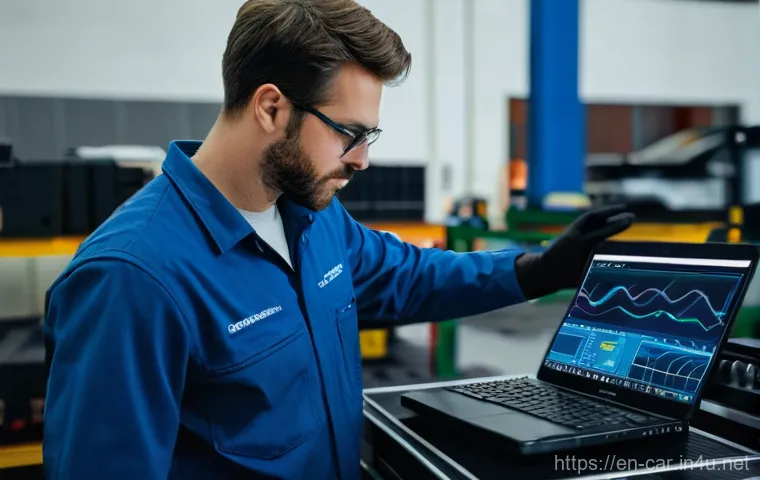
The modern auto mechanic isn’t just a wrench-turner; we’re also data interpreters and meticulous record-keepers. Honestly, it feels like half my day is spent with a laptop or tablet these days! The diagnostic tools have become incredibly sophisticated, moving far beyond basic code readers. You’re looking at oscilloscopes, multi-meters with advanced functions, complex scan tools that interface directly with manufacturer databases, and software suites that can flash modules and reprogram entire vehicle systems. It’s a whole new world, and honestly, it’s thrilling to master it. But it’s not just about getting the right tools; it’s about understanding how to use them effectively, how to interpret the data they spit out, and how to apply that information to pinpoint the root cause of a problem. I’ve seen countless times where a simple misinterpretation of a diagnostic reading led to hours of wasted time or even incorrect repairs. Developing a systematic approach to diagnostics, leveraging all the digital tools at your disposal, is absolutely critical. And then there’s the documentation side, which might sound boring, but trust me, it’s vital. Accurate, detailed records aren’t just for the shop’s benefit; they protect you, help with warranty claims, and build trust with customers. It’s a skill that pays off in spades, even if it doesn’t involve getting your hands greasy. Embracing the digital side of our craft is no longer optional; it’s fundamental to being a top-tier mechanic today.
| Tool Category | Description | Modern Importance |
|---|---|---|
| Advanced Scan Tools | Goes beyond basic OBD-II, offering manufacturer-specific diagnostics, live data streams, bi-directional controls, and module programming. | Essential for deep-level diagnostics, ECU reflashing, and system recalibrations (e.g., ADAS). |
| Oscilloscope | Visualizes electrical signals over time, helping diagnose intermittent problems, sensor issues, and network communication faults. | Critical for diagnosing complex electrical issues, checking waveforms, and identifying subtle signal anomalies. |
| Digital Multimeter (DMM) | Measures voltage, current, and resistance. Advanced models offer frequency, duty cycle, and temperature readings. | Foundational for all electrical testing, verifying power, grounds, and circuit integrity. |
| Diagnostic Software/Databases | Computer programs and online platforms providing repair procedures, wiring diagrams, technical service bulletins (TSBs), and diagnostic flowcharts. | Indispensable for accessing up-to-date repair information, service specifications, and guided diagnostics. |
| ADAS Calibration Equipment | Specialized targets and software used to recalibrate cameras, radar, and lidar sensors after repairs or replacements. | Mandatory for ensuring safety systems function correctly post-repair, preventing accidents. |
Cracking the Code: Advanced Diagnostic Tools
Alright, let’s talk about the cool tech. Those advanced diagnostic tools? They’re not just fancy gadgets; they’re your secret weapon for quickly and accurately finding problems. I’ve spent years learning to really *listen* to what these machines are telling me, not just reading the basic fault codes. Think of an oscilloscope: it allows you to literally see the electrical heartbeat of a component. You can spot a faulty sensor by its wonky waveform long before it throws a hard code. Or how about bi-directional scan tools that let you command specific components to activate? That’s incredible for testing actuators or performing system resets. My advice? Don’t just rely on the auto-scan feature. Dive deep into the live data, understand what normal parameters look like, and learn to identify anomalies. There are fantastic online courses and manufacturer training programs that can turn you into a diagnostic wizard. I remember spending a whole Saturday just practicing with an oscilloscope on different circuits in an older car, and that hands-on experience was invaluable. The more proficient you become with these sophisticated tools, the faster you’ll diagnose, the fewer comebacks you’ll have, and the more respected you’ll be as a true problem-solver, not just a parts changer.
The Art of Accurate Record-Keeping
Okay, so this might not sound as exciting as fixing an engine, but trust me, accurate record-keeping is absolutely crucial in today’s auto industry. It’s not just busywork; it’s a vital part of effective repair, customer satisfaction, and protecting yourself and the shop. I’ve learned the hard way that a poorly documented repair can lead to so many headaches down the line – warranty denials, customer disputes, or even struggling to remember what you did last time a specific vehicle came in for a similar issue. Every step of your diagnostic process, every part replaced, every torque spec applied – it all needs to be documented clearly and concisely. This includes detailed descriptions of customer concerns, your diagnostic findings, the actions taken, and the verification of the repair. Use the shop’s digital systems diligently. It’s a habit you need to cultivate early on. Think of it as leaving a clear trail for the next mechanic, or even for yourself six months down the road. Good documentation is your best friend when it comes to accountability, ensuring quality, and building a professional reputation. It demonstrates your thoroughness and commitment to excellence, which is something customers truly value, even if they never see the internal documentation. It truly contributes to the trust factor, which is something you can’t put a price on.
Customer Service Savvy: Beyond the Repair Bay
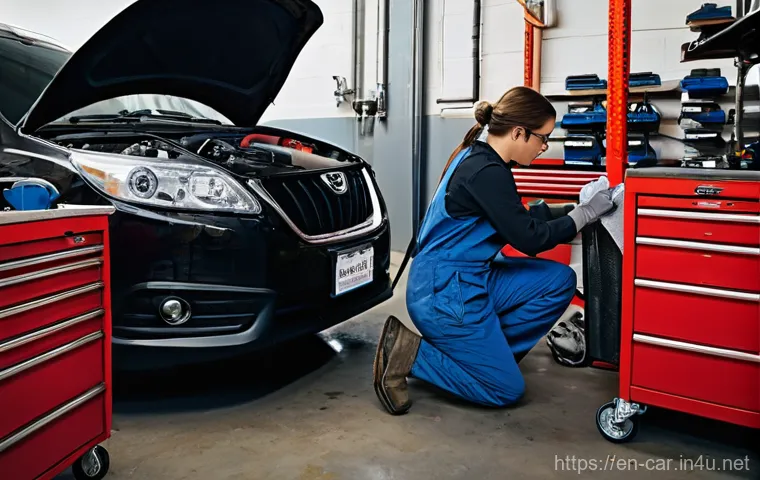
As mechanics, we often spend our days with our hands deep in engines, focused on the technical challenges. But honestly, a huge part of our job, and something I learned pretty quickly, involves people skills. It’s not just about fixing the car; it’s about fixing the *customer’s* problem, which often means addressing their anxieties, explaining complex issues in simple terms, and building trust. I used to think my work spoke for itself, but I soon realized that how I communicated about that work was just as important. A customer trusts us with one of their most valuable assets, and often, with a significant financial investment. That’s a huge responsibility! You might be the face of the shop, or at least a critical touchpoint, especially for those trickier jobs where a service advisor might need your input. Learning to talk to customers clearly, empathetically, and honestly can transform a potentially tense interaction into a positive experience. It can mean the difference between a one-time repair and a loyal customer for life. I’ve personally seen how a few minutes spent explaining *why* a repair is necessary, or *how* a certain system works, can calm a worried customer and make them feel empowered, rather than confused. It’s a skill that absolutely elevates your professionalism and contributes directly to the shop’s reputation and success, and frankly, it feels good knowing you’ve not only fixed a car but also put a customer at ease.
Communicating Clearly, Building Trust
One of the hardest but most important skills I’ve developed is translating “mechanic-speak” into plain English. You know how it is – we get so used to acronyms and technical terms, but to a customer, it’s just baffling. When explaining a repair, try to put yourself in their shoes. What do they need to know? Focus on the “what,” “why,” and “how much.” For instance, instead of saying, “The ECM is showing a P0420 code, indicating catalytic converter efficiency below threshold,” you could say, “Your engine computer is detecting that the catalytic converter isn’t cleaning exhaust gases as effectively as it should, which could eventually lead to reduced engine performance or failed emissions tests.” See the difference? Using analogies, showing them worn-out parts, or even just pointing things out on the vehicle can be incredibly helpful. Transparency is key here. Be honest about the urgency of a repair, distinguish between “needs now” and “can wait,” and always offer options if possible. Building trust isn’t just about doing good work; it’s about being a clear, honest, and respectful communicator. Customers appreciate feeling informed and respected, and that trust is the foundation of any lasting relationship, professional or otherwise. I’ve found that a few extra minutes explaining something clearly can prevent hours of frustration later.
Handling Tough Conversations with Grace
Let’s be real, not every customer interaction is going to be sunshine and rainbows. Sometimes, you have to deliver bad news – an unexpected, costly repair, or perhaps a diagnostic process that took longer than anticipated. These are the moments where your communication skills are truly tested. I’ve learned that approaching these conversations with empathy and a calm demeanor makes a world of difference. Start by acknowledging their frustration or concern. “I understand this isn’t the news you wanted to hear,” can go a long way. Then, clearly and concisely explain the situation, backing it up with facts and, if possible, visuals (like photos of a damaged part). Avoid jargon. Offer solutions and options where available, and be transparent about costs and timelines. If there was a diagnostic challenge, explain why it took extra time without making excuses, focusing on the thoroughness of the process. Sometimes, it’s about managing expectations and being realistic. It’s never easy, but handling these tough conversations with grace and professionalism not only de-escalates potential conflict but also reinforces your credibility and the shop’s integrity. Even when a customer is upset, they’ll often remember how you made them *feel* during that difficult interaction, and that can influence their decision to return.
Staying Safe and Sound: Workshop Health and Habits
Now, this might sound a bit like a lecture from your parents, but seriously, safety in the workshop is paramount. I’ve seen too many close calls, and even a few serious injuries, that could have been completely avoided with a bit more attention to detail. It’s not just about wearing your safety glasses (though, please, *always* wear your safety glasses!); it’s about cultivating a mindset of awareness and proactive prevention. The automotive environment is inherently full of hazards: heavy equipment, moving vehicles, volatile chemicals, high-voltage systems in EVs, and countless pinch points. Rushing, cutting corners, or ignoring established safety protocols are recipes for disaster, not just for you, but for your colleagues too. Think about it: if you’re injured, not only are you out of work and potentially facing a long recovery, but you’re also putting a burden on your team. I’ve personally had moments where I almost got complacent, and that quick check-in with myself, reminding me of the risks, snapped me back to attention. It’s about building good habits from day one: double-checking jack stands, always bleeding off air pressure before disconnecting lines, ensuring proper ventilation, and using the right tool for the job. Your health and well-being are far more valuable than shaving a few minutes off a repair time. A safe mechanic is a productive mechanic, and a safe shop is a successful shop. Let’s make sure we all get home in one piece every single day.
Prioritizing Personal Safety
Your personal safety in the workshop should be your absolute top priority, always. It’s not just a rule; it’s a non-negotiable part of our job. This means consistently wearing your Personal Protective Equipment (PPE) – safety glasses, gloves, steel-toed boots, and hearing protection when needed. I’ve heard all the excuses, “just a quick job,” or “it’s uncomfortable,” but trust me, one tiny slip can have lifelong consequences. Beyond the gear, it’s about mindful working practices. Never work under a vehicle without proper jack stands, even for a moment. Always be aware of your surroundings – moving vehicles, other technicians, and potential trip hazards. When dealing with high-voltage EV systems, religiously follow lockout/tagout procedures and use insulated tools. Familiarize yourself with the location of emergency shut-offs, fire extinguishers, and first-aid kits. If you’re unsure about a procedure or feel unsafe, *stop and ask*. Your colleagues would much rather you ask a “silly” question than risk an injury. Taking shortcuts with safety isn’t brave; it’s foolish. It impacts not only your well-being but also your ability to earn a living. My experience has shown me that the most respected mechanics are often those who are meticulously safe in their approach, demonstrating professionalism and care for themselves and others.
Maintaining a Clean and Organized Workspace
A tidy bay isn’t just about aesthetics; it’s a fundamental aspect of safety and efficiency in any auto shop. I’ve always found that a clean workspace significantly reduces the risk of accidents and helps me work smarter, not harder. Think about it: a stray tool on the floor is a trip hazard, spilled oil is a slip waiting to happen, and cluttered benches make it impossible to find what you need when you need it. Make it a habit to clean as you go, not just at the end of the day. Wipe up spills immediately, return tools to their designated places, and dispose of waste properly. This includes keeping your tools organized within your toolbox too; a well-organized toolbox means less time searching and more time wrenching. It also reduces the chances of misplacing expensive diagnostic equipment. I remember working in a shop once where everyone was meticulous about their bay, and the difference in workflow and overall morale was palpable. It created a sense of shared responsibility and respect for the communal workspace. A clean, organized environment minimizes distractions, promotes focus, and, most importantly, keeps everyone safe. It’s a small habit with a huge payoff, showing respect for your work, your colleagues, and the shop itself.
Continuous Learning: Your Career’s Long-Term Fuel
The moment you think you know everything in the automotive industry, you’re already behind. This isn’t just a job; it’s a dynamic, ever-evolving craft that demands a commitment to lifelong learning. I’ve been in this game for years, and I still find myself learning new things every single week, whether it’s a new diagnostic trick, an updated service procedure, or a completely new technology hitting the market. The pace of innovation in vehicles, especially with the surge in electric, hybrid, and autonomous technologies, is simply astounding. If you want to not just survive but truly thrive and build a long, successful career, you absolutely have to make continuous learning a core part of your professional identity. This isn’t just about formal training, although that’s incredibly important. It’s also about staying curious, reading industry publications, participating in online forums, and even just taking the time to understand the ‘why’ behind every repair you do. I’ve personally found that the more I invest in my knowledge and skills, the more confident I feel tackling challenging jobs, and the more valuable I become to any employer. This directly translates to better job security, higher earning potential, and a greater sense of satisfaction in my work. Think of your brain as another essential tool in your toolbox – keep it sharp, keep it updated, and it will serve you well for decades to come.
Certifications and Specializations That Pay Off
If you’re serious about taking your career to the next level and making yourself truly indispensable, investing in certifications and specializations is a no-brainer. These aren’t just fancy pieces of paper; they’re tangible proof of your expertise and dedication. Think about ASE certifications in the US, for example – they’re widely recognized and can open doors to better opportunities and higher pay. But beyond general certifications, consider specializing. Maybe you have a knack for electrical diagnostics, or perhaps you’re fascinated by European luxury vehicles, or maybe EV technology really excites you. Diving deep into a specific area can make you the go-to expert, and that kind of specialized knowledge is highly sought after. I’ve personally found that having specific certifications not only boosted my confidence but also gave me a significant edge in job interviews and salary negotiations. Look into manufacturer-specific training programs, advanced diagnostic courses, or even hybrid and EV safety certifications. These types of credentials demonstrate a proactive approach to your career and signal to employers that you’re committed to staying at the forefront of the industry. It’s an investment in yourself that yields substantial returns, making you a more versatile, capable, and ultimately, more valuable professional.
Staying Ahead of the Curve with Industry Journals
Beyond formal training and certifications, one of the easiest and most consistent ways to stay sharp is by regularly consuming industry news and technical publications. I can’t stress this enough – simply setting aside some time each week to read trade journals, online articles, or technical service bulletins (TSBs) can make a huge difference. These resources often highlight emerging trends, new diagnostic techniques, common vehicle issues, and critical updates that you might not encounter in your day-to-day work for months. Think of it as a low-cost, high-impact form of continuous professional development. I’ve personally caught wind of impending recalls or learned about obscure diagnostic procedures from articles that saved me hours of head-scratching later on. Follow reputable automotive news sites, subscribe to technical magazines, and even join online forums where experienced technicians share insights and troubleshoot problems. The automotive landscape is constantly shifting, with new models, new technologies, and new challenges appearing all the time. Being proactive about absorbing this information keeps your knowledge fresh, helps you anticipate future trends, and ensures you’re always ready to tackle whatever rolls into your bay. It’s a simple habit, but one that truly separates the good mechanics from the great ones.
Concluding Thoughts
Wow, what a journey we’ve covered together! From the subtle dance of shop culture to the electrifying world of EVs and the critical art of customer service, it’s clear that being a mechanic today is about so much more than just turning wrenches. It’s a craft that demands constant learning, genuine human connection, and an unwavering commitment to safety and excellence. The automotive world is hurtling forward, and staying ahead means embracing every opportunity to grow, adapt, and refine your skills. Remember, your career isn’t just a series of jobs; it’s a living, breathing testament to your dedication and passion. Keep that curiosity alive, nurture your professional relationships, and never stop learning – that’s the true secret to not just surviving, but absolutely thriving in this incredible industry.
Useful Information to Know
1. Always prioritize hands-on experience with new technologies like EVs and ADAS. Seek out training, volunteer for relevant tasks, and absorb every bit of knowledge you can. It’s the fastest way to become an invaluable asset to any team.
2. Actively seek out mentors within your shop or industry. Their years of experience are a goldmine of practical wisdom that can accelerate your learning curve and help you navigate tricky situations far more effectively than going it alone.
3. Invest in certifications that are recognized and valued in your region, such as ASE certifications in the U.S. These credentials not only validate your skills but also open doors to better opportunities and higher earning potential.
4. Hone your communication skills, both with colleagues and customers. Being able to clearly explain complex issues, build trust, and handle challenging conversations with grace is just as important as your technical prowess.
5. Make safety non-negotiable. Always wear your PPE, follow established protocols, and maintain an organized workspace. A safe mechanic is a productive mechanic, and your well-being should always come first.
Key Takeaways
Becoming a truly outstanding automotive professional in today’s fast-paced world hinges on more than just technical aptitude. It requires a blend of adaptability, a proactive approach to continuous learning, strong interpersonal and communication skills, and an unwavering dedication to safety and meticulous work. Embrace the evolving landscape, build your network, and commit to lifelong growth to secure a fulfilling and prosperous career.
Frequently Asked Questions (FAQ) 📖
Q: What’s the absolute best way to make a great first impression and really get settled in during those crucial first few months?
A: Oh, this is such a great question, and it’s something I’ve seen trip up even the most talented mechanics! From my personal experience, the biggest secret to making a stellar first impression isn’t just about showing off your wrenching skills – though those are super important, of course.
It’s about being a sponge, asking smart questions, and genuinely listening. Walk in on day one with an open mind, ready to learn the shop’s specific workflow, its quirks, and most importantly, the unwritten rules.
Every shop has its own rhythm, its preferred way of doing things, even down to how tools are organized. I remember my first big shop job, I spent the first week just observing, trying to figure out who knew what, who to go to for specific advice, and how the team communicated.
Don’t be afraid to ask ‘why’ – ‘Why do we use this particular diagnostic tool for this car?’, or ‘What’s the best way to handle this tricky alignment on a modern SUV?’ This shows initiative and a desire to truly understand, rather than just assume.
And here’s a golden nugget: be genuinely helpful, even with the small stuff. Offer a hand to a busy colleague, keep your bay tidy, and always be on time.
These little actions build trust faster than you’d imagine, and trust is the bedrock of any successful team. It’s not about being a know-it-all; it’s about being a learn-it-all, and showing you’re invested in the shop’s success, not just your own paycheck.
Q: The industry is evolving so fast with EVs and
A: DAS. How can a new mechanic keep up and avoid feeling overwhelmed by all this new technology? A2: You’ve hit on one of the biggest challenges and opportunities in our field right now!
Honestly, if you’re not feeling a little overwhelmed by the pace of change, you’re probably not paying enough attention! I’ve been in this game for a while, and even I have moments where I’m scratching my head over a new software update or a peculiar EV diagnostic code.
The key, I’ve found, is to embrace continuous learning as part of your daily routine. Think of it less as a chore and more as an exciting part of the job.
Many shops offer internal training on new EV platforms or advanced driver-assistance systems (ADAS) calibrations – grab every single opportunity with both hands!
If they don’t, seek out external courses, watch manufacturer-specific training videos, or even spend some extra time after hours diving into service manuals for the latest models.
My trick was finding online forums and communities where experienced techs share insights on tricky EV issues or ADAS sensor recalibrations. It’s amazing what you can pick up from others’ real-world experiences.
Remember, nobody expects you to know everything on day one, especially with these cutting-edge systems. What is expected is your eagerness to learn and adapt.
Showing your willingness to tackle these new challenges head-on will make you incredibly valuable to your shop.
Q: How do I move beyond just basic tasks and really prove my value to become an indispensable part of the team?
A: This is where you really start shining, right? Getting past the initial ‘newbie’ phase and proving you’re more than just a pair of extra hands is incredibly rewarding.
From my own journey, the turning point always came when I started anticipating needs rather than just reacting to them. For example, if you see a particular model coming in frequently with a known issue, take the initiative to research it, understand the common fixes, and maybe even suggest a proactive approach to the service manager.
Think like a diagnostician, not just a repair person. When you’re tackling a repair, consider what else might be affected or what future problems could arise from it.
Could a worn part here impact something else down the line? Flagging those potential issues, explaining them clearly, and offering solutions shows a level of expertise and foresight that managers absolutely love.
Another thing I always did was to take meticulous notes, not just for my own memory, but in case another tech needed to pick up where I left off or for future reference.
Consistency, attention to detail, and a proactive attitude towards problem-solving will transform you from “the new guy” to “the guy we can’t do without.” Plus, when you genuinely enjoy what you’re doing, that positive energy is contagious and makes you a pleasure to work with, which, believe it or not, is a huge part of being indispensable!