I remember the first time I stepped into an automotive repair workshop, feeling a mix of excitement and a little bit of apprehension. It’s a dynamic environment, constantly evolving with new technologies like electric vehicles and advanced driver-assistance systems (ADAS) becoming the norm.
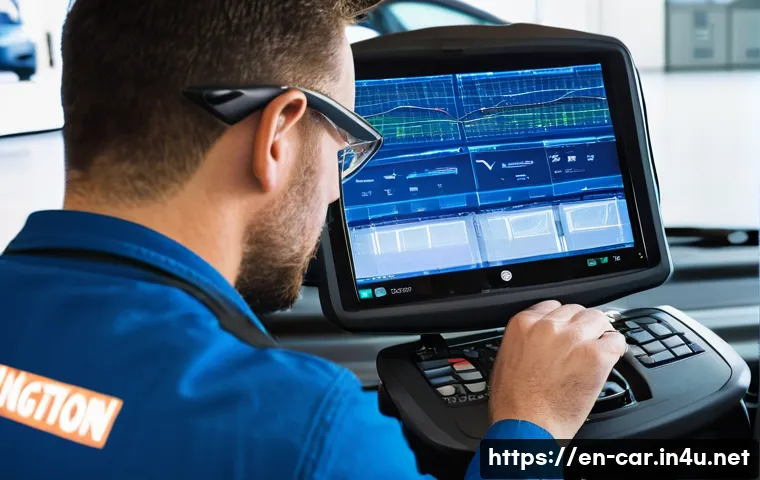
Staying ahead of the curve isn’t just a good idea; it’s essential for anyone serious about car maintenance or a career under the hood. From optimizing your workspace to mastering the latest diagnostic tools, there are countless ways to boost efficiency and ensure every repair is top-notch.
I’ve spent years observing, learning, and getting my hands dirty, and I’ve picked up some invaluable insights that can truly transform how you approach automotive work, whether you’re a seasoned pro or just starting out.
It’s not just about fixing cars anymore; it’s about smart solutions, preventative care, and understanding the intricate dance between mechanics and cutting-edge tech.
Ready to elevate your game and make every moment in the shop count? Let’s unlock the secrets to a more efficient and effective automotive repair experience right here.
We’ll delve into all the details and reveal some game-changing tips you won’t want to miss.
Optimizing Your Workspace for Peak Performance
I remember the sheer frustration of searching for a specific wrench only to find it buried under a pile of parts or, worse, on another tech’s bench. It’s a common scenario, and one I’ve personally experienced far too many times.
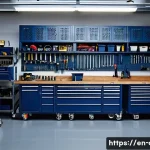
That’s why, in my book, a truly efficient automotive repair shop starts with a meticulously organized workspace. It’s not just about tidiness; it’s about creating a seamless flow that cuts down on wasted time, reduces errors, and ultimately enhances safety.
Think about it: every second spent hunting for a tool or moving unnecessary clutter adds up, impacting your productivity and, frankly, your bottom line.
I’ve found that investing a little time upfront to strategically lay out your bay and tools pays dividends throughout the day, leaving you more time for actual diagnostic work and repairs.
A well-designed workspace also makes a huge psychological difference; stepping into an organized environment just feels more professional and less daunting, allowing you to focus better on the intricate tasks at hand.
It truly transforms the energy of the entire shop.
The Power of a Well-Organized Bay
When I first started out, my bay was a chaotic mess, a testament to youthful exuberance and a lack of foresight. Tools were scattered, parts were piled precariously, and finding anything felt like an archaeological dig.
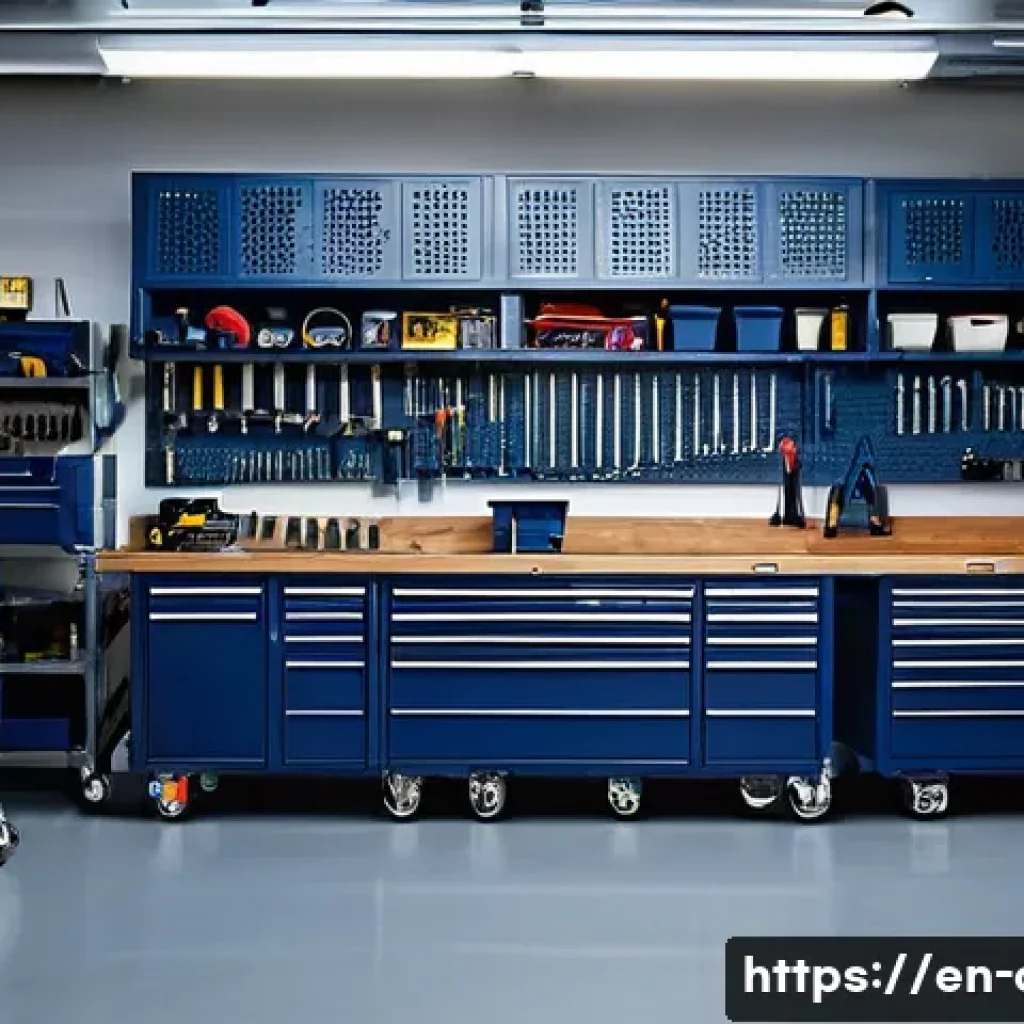
Over the years, I learned the hard way that this approach was costing me valuable time and increasing my stress levels. Now, my go-to strategy is ‘a place for everything, and everything in its place.’ This means having dedicated tool chests with foam inserts, clearly labeled bins for fasteners and small components, and a designated staging area for parts ready for installation.
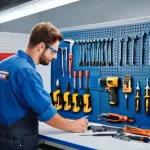
Even something as simple as a shadow board for frequently used hand tools can drastically improve efficiency. I’ve seen firsthand how a clean floor, proper lighting, and a well-maintained workbench can shave minutes off every job, allowing for more repairs in a day and improving overall turnaround times.
It’s about creating an environment where efficiency isn’t just a goal, but an ingrained habit, making every movement intentional and productive.
Investing in Ergonomics and Efficiency
Beyond just organization, I’ve discovered the immense benefits of ergonomic considerations in the workshop. Those long hours hunched over an engine or kneeling on cold concrete can take a serious toll on your body.
That’s why I always recommend investing in high-quality anti-fatigue mats, adjustable work stools, and even specialized lifting equipment. I personally rely on a comfortable rolling creeper and an adjustable workbench that allows me to work at different heights, saving my back and knees from unnecessary strain.
Good lighting, both ambient and task-specific, is also critical for spotting those tiny, elusive leaks or correctly identifying wire colors. It’s not just about comfort; it’s about sustaining your physical well-being and reducing the risk of injuries, which directly impacts your long-term productivity.
When you feel better at the end of the day, you’re more motivated and effective, and that’s a win-win for everyone in the shop.
Mastering Modern Diagnostic Tools and Software
Let me tell you, the days of relying solely on a wrench and a keen ear are long gone. While mechanical intuition is still invaluable, modern vehicles are essentially computers on wheels, and without the right diagnostic tools, you’re just guessing.
I’ve witnessed firsthand how quickly technology advances, and staying ahead of the curve with diagnostic equipment is no longer optional; it’s absolutely essential for any serious technician.
I remember struggling with an intermittent fault on a particularly tricky European model, spending hours tracing wires and testing components manually.
It wasn’t until I invested in a truly advanced scan tool that I finally pinpointed the issue in minutes. The right tools don’t just tell you *what* is wrong; they often guide you to *why* it’s wrong, saving countless hours and ensuring a precise repair.
Embracing these technologies isn’t about replacing skill; it’s about augmenting it, allowing us to tackle increasingly complex vehicle systems with confidence and accuracy.
Beyond Basic Code Readers: The Advanced Scan Tool Advantage
When I started, an OBD-II scanner was pretty much all you needed for basic check engine lights. But those simple days are a distant memory. Today, an advanced scan tool isn’t just about reading codes; it’s a window into the vehicle’s intricate network.
I’ve personally seen these tools perform live data streaming, activate components for testing, calibrate sensors, and even program new modules. Having bidirectional control is a game-changer – being able to command a component like a fuel pump or an EGR valve directly from the tool can cut diagnostic time dramatically.
For example, when diagnosing a misfire, I don’t just look at the fault code; I’m observing fuel trims, O2 sensor readings, and ignition timing in real-time, often simultaneously.
This holistic view helps me quickly identify whether it’s a fuel, air, or spark issue, rather than just replacing parts based on a hunch. It’s truly a leap in diagnostic capability that every modern shop needs to capitalize on.
Leveraging OEM Software and Technical Resources
One thing I’ve learned is that generic scan tools, while useful, often have their limits when it comes to manufacturer-specific issues. That’s why I’ve made it a point to invest in OEM-level diagnostic software or subscriptions for the brands I frequently service.
The difference is night and day; these programs offer proprietary data, detailed wiring diagrams, service bulletins, and step-by-step diagnostic procedures that simply aren’t available elsewhere.
I remember a particularly elusive electrical fault on a premium brand vehicle that was driving me crazy. After consulting the OEM technical service bulletin through their dedicated portal, I found a known issue and the exact diagnostic path, saving hours of guesswork.
Beyond the software, actively utilizing online technical forums and manufacturer-provided training modules has become a crucial part of my routine. It’s like having a team of experts on standby, ready to share their knowledge and help you conquer even the most challenging repairs.
Embracing the Electric Revolution: EVs and Hybrid Systems
The automotive landscape is changing at an incredible pace, and if you’re not paying attention, you’ll be left behind. I vividly recall the skepticism surrounding early hybrid vehicles, and now, electric vehicles are rapidly becoming a mainstream reality.
From a repair perspective, this shift is monumental, demanding entirely new skillsets and a fundamental understanding of high-voltage systems. I’ve personally taken several certification courses to ensure I’m not just familiar but truly proficient with EV and hybrid diagnostics and repairs.
It’s a completely different ball game compared to traditional internal combustion engines, involving specialized safety protocols, unique diagnostic challenges, and a new array of components like battery packs, inverters, and electric motors.
Ignoring this trend isn’t an option; it’s the future of our industry, and proactively adapting to it ensures you remain a relevant and valuable asset in the automotive world.
Safety First: High-Voltage Protocols and Training
When it comes to electric and hybrid vehicles, safety isn’t just a guideline; it’s an absolute imperative. I can’t stress this enough. Working with high-voltage systems carries inherent risks, and without proper training and adherence to strict protocols, you’re putting yourself and your team in serious danger.
My personal rule of thumb is always to assume a system is live until proven otherwise. This means proper personal protective equipment (PPE) like insulated gloves and tools, and meticulous use of lockout/tagout procedures.
I’ve undergone extensive training that covers everything from identifying high-voltage components and their disconnect points to understanding the specific dangers of arc flash and electric shock.
It’s not enough to simply know how to turn a wrench; you need to understand electrical theory and how to safely de-energize these complex systems before even thinking about touching them.
Prioritizing safety through continuous education and rigorous adherence to procedures is paramount for anyone working on EVs and hybrids.
Diagnosing Unique EV and Hybrid Challenges
Diagnosing an issue on an EV or hybrid often requires a different mindset compared to a gasoline car. For instance, noise complaints might lead you to investigate the electric motor’s bearings rather than engine valves.
I’ve found that battery health and management systems are often at the heart of performance issues. These vehicles have incredibly sophisticated software that monitors everything from individual cell voltage to thermal management, and understanding how to interpret these data streams is crucial.
For example, if a customer complains about reduced range, I’m not just looking at the charging port; I’m diving into the battery management system’s logs, checking for cell imbalances or temperature anomalies that could indicate a deeper problem.
The diagnostic process often involves specialized scan tools that can communicate with the high-voltage battery controller and other EV-specific modules.
It’s challenging, yes, but incredibly rewarding when you successfully troubleshoot these cutting-edge systems, offering solutions that many traditional shops simply aren’t equipped for.
The Art of Preventative Maintenance and Customer Education
In my years in this business, one truth has always stood out: an ounce of prevention is worth a pound of cure. Preventative maintenance isn’t just about making sure a car runs; it’s about extending its life, improving its safety, and ultimately saving the customer money in the long run.
I’ve lost count of how many times a simple, routine inspection has unearthed a minor issue that, if left unaddressed, would have spiraled into a major, costly repair.
It’s also an incredible opportunity to build trust with your clients. When you explain the “why” behind recommended services, showing them the potential future problems you’re helping them avoid, they see you as a knowledgeable advisor, not just someone trying to upsell them.
This proactive approach not only keeps vehicles reliable but also fosters long-term relationships and customer loyalty, which is truly invaluable in our competitive industry.
Beyond Oil Changes: Comprehensive Vehicle Health Checks
When a customer brings their car in for an oil change, I see it as more than just a fluid swap; it’s a golden opportunity for a comprehensive health check.
I’ve trained my team to perform a thorough multi-point inspection every single time, even for routine services. This means visually checking tire pressure and tread depth, inspecting belts and hoses for wear, assessing fluid levels and condition, and looking for any signs of leaks or unusual noises.
I once caught a hairline crack in a brake line during a routine tire rotation – a simple catch that very likely prevented a catastrophic failure down the road.
It’s these small, consistent efforts that build a reputation for thoroughness and care. We document everything with photos and clear descriptions, so when we present our findings to the customer, they have tangible evidence, which makes the conversation so much more effective and trustworthy.
Educating Your Clients: Building Trust and Understanding
One of the most rewarding aspects of my work is when I can clearly explain a complex automotive issue to a customer and see the ‘aha!’ moment in their eyes.
Many people feel intimidated by car repairs, and it’s our job to demystify the process. I always take the time to walk clients through their vehicle’s needs, using visual aids like worn parts, diagnostic printouts, or even quick videos on my tablet.
Instead of just saying “you need new brakes,” I’ll explain *why* the pads are worn unevenly, what the risks are of delaying the repair, and how it impacts their safety.
I remember a customer who was hesitant about a transmission fluid service until I showed them the difference between new, clean fluid and their old, burnt fluid.
That visual made all the difference. When customers understand the value of the service, they’re not just agreeing to a repair; they’re investing in their vehicle’s longevity and their own peace of mind.
This kind of transparency is the cornerstone of lasting client relationships.
Future-Proofing Your Skills: Continuous Learning is Key
The automotive world is a perpetual motion machine, constantly evolving. What was cutting-edge five years ago might be standard practice today, or even obsolete tomorrow.
If there’s one piece of advice I can offer, it’s this: never stop learning. I’ve seen countless technicians get comfortable with older technologies, only to find themselves struggling to adapt when new systems like ADAS or advanced cybersecurity features become prevalent.
I personally dedicate several hours each week to reading industry publications, watching online training modules, and attending manufacturer-sponsored workshops.
It’s an investment, yes, but one that pays itself back tenfold by keeping my skills sharp and ensuring I can tackle any vehicle that rolls into my bay.
The excitement of learning a new diagnostic technique or understanding a complex new system is a huge motivator for me, and it ensures that I stay at the forefront of this dynamic profession.
Staying Ahead of Emerging Technologies
It feels like every other month, a new technology is introduced that changes the game entirely. Autonomous driving features, advanced infotainment systems, and even vehicle-to-everything (V2X) communication are no longer futuristic concepts; they’re here, or rapidly approaching.
I’ve made it a habit to actively follow industry news and research papers to anticipate these shifts. For example, when I first heard about increasing cybersecurity concerns in vehicles, I immediately sought out training on secure gateway modules and flashing procedures to understand how they impact diagnostics and repairs.
It’s about being proactive rather than reactive. By understanding the trends, I can better prepare my shop and my team for what’s coming, ensuring we’re always ready to service the latest models.
This forward-thinking approach has been instrumental in keeping my business competitive and my clients confident in our capabilities.
Certification and Advanced Training Pathways
While hands-on experience is irreplaceable, formal certifications and advanced training are the proof in the pudding. I strongly advocate for technicians to pursue certifications from organizations like ASE (Automotive Service Excellence) here in the US, or equivalent bodies internationally.
These not only validate your expertise but also often open doors to more specialized training opportunities. I remember the satisfaction of earning my Master Automobile Technician certification – it wasn’t just a piece of paper; it represented years of dedication and continuous learning.
Beyond general certifications, seeking out specialized training in areas like hybrid/EV technology, advanced electrical diagnostics, or specific vehicle brands can set you apart.
These targeted courses provide deep dives into complex systems, giving you the confidence and knowledge to tackle niche repairs that many other shops might shy away from.
It’s a clear signal to customers that you’re committed to excellence and highly capable of handling their vehicle’s needs.
Smart Inventory and Parts Management Strategies
Running an efficient repair shop isn’t just about fixing cars; it’s also about managing your resources wisely. I’ve learned through trial and error that sloppy inventory management can be a huge drain on time and money.
Imagine a vehicle sitting on a lift, waiting for a part that was supposedly in stock but can’t be found, or realizing you’ve ordered the wrong component because of disorganized records.
These scenarios lead to frustrated customers, lost labor hours, and ultimately, reduced profitability. My philosophy has always been to treat parts inventory like a well-oiled machine itself: streamlined, accurate, and always ready to support the next repair.
It’s not the most glamorous part of the job, but trust me, it’s one of the most critical for maintaining a smooth, efficient operation and keeping those bay doors turning over vehicles swiftly.
Optimizing Your Parts Room for Quick Access
A well-organized parts room is like a second brain for the shop, and I’ve spent a lot of time perfecting mine. First and foremost, every part, no matter how small, needs a designated location and a clear label.
I use a combination of shelving units, bins, and even pegboards for frequently used items. My biggest piece of advice is to implement a logical numbering or categorization system, perhaps by vehicle make, component type, or even frequency of use.
I remember one time, we had a rush job for a specific sensor, and because our parts were meticulously organized and coded, my assistant was able to grab it in seconds, allowing me to keep working without interruption.
Furthermore, performing regular stock checks and cleaning helps prevent obsolescence and ensures you’re not holding onto old, unsellable parts, freeing up valuable space and capital.
It’s about creating a system that minimizes search time and ensures the right part is always within arm’s reach.
Leveraging Technology for Inventory Control
Gone are the days of manual spreadsheets and paper tracking for parts inventory. Modern shop management software has revolutionized how we handle stock, and I can’t imagine running my business without it now.
I’ve integrated a robust inventory management system that tracks every part from the moment it’s ordered to when it’s installed on a vehicle. This software automatically updates stock levels, alerts me when items are running low, and even generates reorder lists, streamlining the entire procurement process.
It’s not just about preventing stockouts; it’s also about avoiding overstocking, which ties up capital. For instance, the system can analyze historical sales data to predict which parts I’ll need, allowing for just-in-time ordering for specialized components and reducing carrying costs.
This level of precision means I always have the right parts at hand, minimizing vehicle downtime and ensuring repairs are completed as efficiently as possible, a huge win for both the shop and our customers.
Navigating the Nuances of Advanced Driver-Assistance Systems (ADAS)
If there’s one area that consistently challenges even seasoned technicians, it’s Advanced Driver-Assistance Systems, or ADAS. These sophisticated features – everything from adaptive cruise control to lane-keeping assist – rely on an intricate network of cameras, radar, lidar, and ultrasonic sensors.
I remember my first encounter with a damaged ADAS sensor after a minor fender bender; I quickly realized that simply replacing the bumper wasn’t enough.
These systems require precise calibration after even minor collisions or windshield replacements, and getting it wrong can have serious safety implications.
It’s a field that demands specialized equipment, meticulous procedures, and a deep understanding of how these interconnected systems operate. Ignoring ADAS is simply not an option in today’s vehicles, as they are becoming standard features across almost every new model, making proficiency here absolutely vital for modern repair shops.
Understanding ADAS Sensor Types and Placement
The sheer variety of ADAS sensors and their critical placement is something I’ve had to learn through focused training and hands-on experience. Front-facing cameras are often mounted behind the rearview mirror, while radar units are typically behind the front bumper or grille.
Ultrasonic sensors might be integrated into the bumper fascia, and lidar units can be found in various locations. Each type of sensor has its own unique function and calibration requirements.
For example, a minor misalignment of a front-facing camera after a windshield replacement can cause the lane-keeping assist to malfunction or even lead to incorrect automatic emergency braking.
I’ve found that a thorough understanding of where these sensors are located on different vehicle models and how they interact is the first step toward accurate diagnosis and repair.
Without this foundational knowledge, you’re essentially flying blind, risking both your reputation and customer safety.
Calibration Procedures and Specialized Equipment
Here’s where ADAS truly becomes specialized: the calibration. After a sensor is replaced, or sometimes even after significant suspension work, these systems need to be recalibrated to ensure they are pointing precisely where they should be.
This isn’t something you can eyeball; it requires specialized calibration targets, diagnostic software, and a perfectly level alignment bay. I recall a situation where a customer complained their adaptive cruise control was acting erratically after a minor repair.
It turned out the radar unit hadn’t been recalibrated correctly, causing it to misinterpret distances. My shop invested in a dedicated ADAS calibration system, complete with precise alignment tools and up-to-date software, and it’s been a game-changer.
These procedures often involve a combination of static (done in the workshop with targets) and dynamic (done by driving the vehicle under specific conditions) calibrations.
Mastering these complex procedures is non-negotiable for any shop aiming to provide comprehensive and safe repairs for modern vehicles.
| ADAS System | Primary Sensor Type | Common Repair/Maintenance Impact |
|---|---|---|
| Adaptive Cruise Control (ACC) | Front Radar, Camera | Requires calibration after bumper removal, radar replacement, or windshield replacement. |
| Lane Keeping Assist (LKA) | Front Camera | Windshield replacement necessitates camera recalibration. Frontal impacts can affect sensor alignment. |
| Automatic Emergency Braking (AEB) | Front Radar, Camera | Bumper repair/replacement, sensor replacement, or camera alignment all impact functionality. |
| Blind Spot Monitoring (BSM) | Rear Radar | Rear bumper repairs, sensor replacement, or side mirror replacement often require calibration. |
| Parking Assist (PA) | Ultrasonic Sensors, Cameras | Bumper repairs, sensor replacement, or camera replacement (front/rear/side) may require recalibration. |
Building a Community and Network in the Auto Industry
It’s easy to get caught up in the day-to-day grind of automotive repair, focusing solely on the vehicles in your bay. But I’ve always found that some of my most valuable insights and solutions come not from a service manual, but from conversations with fellow technicians, shop owners, and industry experts.
The automotive community is surprisingly vast and incredibly supportive, and actively engaging with it has been a cornerstone of my professional growth.
I remember struggling with a particularly obscure engine issue on a rare import, and after countless hours, I posted my dilemma on an online forum. Within minutes, I had several experienced techs offering advice, and one even pointed me to a specific, hard-to-find technical service bulletin that cracked the case.
It solidified my belief that we’re all in this together, and by sharing knowledge and experiences, we elevate the entire industry.
The Power of Online Forums and Social Groups
In today’s interconnected world, online platforms have become an indispensable resource for automotive professionals. I regularly participate in several Facebook groups dedicated to specific car brands or diagnostic challenges, as well as more general forums for technicians.
These aren’t just places to vent frustrations; they’re vibrant hubs for knowledge sharing, troubleshooting tips, and even recommendations for specialized tools or training.
I’ve found solutions to complex electrical gremlins, discovered shortcuts for tricky repairs, and even learned about emerging technologies long before they hit the mainstream, all thanks to the collective wisdom of these online communities.
It’s like having a global network of mentors and peers at your fingertips, ready to lend a hand or offer a fresh perspective whenever you encounter a baffling problem.
The anonymity often allows for candid discussions and a wide range of opinions, making them incredibly valuable learning environments.
Attending Industry Events and Workshops
While online interaction is fantastic, there’s nothing quite like the energy and direct learning experience of attending in-person industry events. I make it a priority to attend at least a few major automotive trade shows, expos, and specialized workshops each year.
These events are not only incredible opportunities to see the latest tools and equipment firsthand but also to network with manufacturers’ representatives, trainers, and other shop owners.
I vividly recall a seminar on advanced engine diagnostics where I learned a game-changing technique for identifying intermittent misfires that I immediately put into practice back at my shop.
Beyond the formal learning, the casual conversations during breaks or over coffee often lead to invaluable connections, shared best practices, and even potential collaborative opportunities.
It’s a chance to step away from the workbench, gain a broader perspective, and recharge your passion for the industry, coming back to your shop with fresh ideas and renewed motivation.
The Human Touch: Building Relationships Beyond the Repair Bay
Let’s be honest, in an age of increasingly complex technology, it’s easy for automotive repair to feel transactional. But I’ve always believed that the heart of a successful shop isn’t just about fixing cars; it’s about building genuine relationships with the people who own them.
I remember a long-time customer, a charming elderly woman named Martha, whose vintage car had a recurring, mysterious clunk. We spent hours trying to diagnose it, and even after several attempts, it remained elusive.
Instead of giving up, I kept communicating, explaining every step and showing her the parts we tested. When we finally found the culprit – a nearly invisible crack in a suspension component – her relief and gratitude were palpable.
That experience taught me that empathy, clear communication, and going the extra mile are just as important as technical expertise. It’s about creating trust and making customers feel valued, turning them into loyal advocates who wouldn’t dream of taking their vehicle anywhere else.
Effective Communication: Explaining Complexities Simply
One of the biggest challenges we face as technicians is translating highly technical automotive issues into language that our customers can easily understand.
I’ve always aimed to be an interpreter, not just a mechanic. When I’m explaining a repair, I avoid jargon and use analogies that resonate with everyday experiences.
For instance, instead of saying “your catalytic converter efficiency is below threshold due to excessive rich mixture,” I might say, “your car’s exhaust system isn’t cleaning the fumes properly, kind of like a clogged filter, which is why your check engine light is on.” I also encourage customers to ask questions, no matter how basic they might seem, and I take the time to answer them thoroughly.
I once had a customer who thought their “check engine” light meant the engine itself was about to explode! A simple explanation of what the light indicates – usually a warning about emissions or system performance – immediately put them at ease.
Clear, patient communication empowers customers to make informed decisions and feel confident in our recommendations.
Going the Extra Mile: Beyond the Wrench
In a world saturated with options, what makes a customer choose your shop and keep coming back? For me, it’s all about those small, often unexpected, gestures that go beyond the basic repair.
It could be something as simple as a follow-up call a few days after a major service to ensure everything is running smoothly, or a quick vacuum of the car’s interior before returning it.
I remember once when a customer’s car had a dead battery after sitting in our lot overnight following a repair – a minor oversight. Instead of just jumping it, I had the battery tested, found it was weak, and offered to replace it at a discounted rate, explaining it was the least we could do.
They were genuinely surprised and incredibly appreciative. These aren’t just “nice” things to do; they’re strategic investments in customer loyalty. They demonstrate that you genuinely care, not just about their car, but about their overall experience, fostering a level of trust that keeps them coming back for years.
Leveraging Digital Presence for Shop Growth
In today’s fast-paced world, if your automotive repair shop isn’t visible online, it might as well not exist. I’ve personally seen how a strong digital presence can transform a local business, drawing in new customers and strengthening relationships with existing ones.
It’s no longer enough to just have a sign out front; people are searching for trusted mechanics on their phones, reading reviews, and checking out social media before they even pick up the phone.
I remember when I first started focusing on our online profiles; it felt like a chore. But the results were undeniable. More inquiries, more appointments, and a broader reach in our community.
It’s about creating an inviting and informative online storefront that reflects the quality and trustworthiness of your in-person service, making it easy for potential clients to find you and decide to give you their business.
Optimizing Your Google Business Profile and Online Reviews
Your Google Business Profile is arguably the most crucial piece of your local online presence. It’s often the first thing a potential customer sees when searching for “auto repair near me.” I’ve spent countless hours ensuring our profile is fully optimized with accurate hours, services, photos of our clean shop and friendly team, and a compelling description.
But just as important are the online reviews. I actively encourage satisfied customers to leave reviews on Google, Yelp, and other platforms because I know firsthand how much weight people place on peer recommendations.
I also make it a point to respond to every review, both positive and negative, politely and professionally. I remember a negative review about a minor miscommunication; by addressing it directly, offering a solution, and showing accountability, we turned a potentially damaging comment into a testament to our customer service, demonstrating that we care and are willing to make things right.
Engaging Through Social Media and Content Marketing
Social media isn’t just for sharing personal photos; it’s a powerful tool for building your shop’s brand and connecting with your community. I use platforms like Facebook and Instagram to share helpful tips, behind-the-scenes glimpses of our work, and even short videos explaining common car problems.
It’s a way to humanize your business and showcase your team’s expertise in a friendly, approachable manner. For instance, I recently posted a short video demonstrating how to properly check tire pressure, and it generated a surprising amount of engagement and positive comments.
Beyond social media, creating valuable content for your website, like blog posts about seasonal car maintenance or FAQs about specific vehicle issues, establishes your shop as an authority.
This type of content not only provides helpful information to your audience but also significantly improves your search engine rankings, helping more people discover your trustworthy and knowledgeable shop.
Wrapping Up
And there you have it, folks! What a journey we’ve taken through the ever-evolving world of automotive repair. From the nitty-gritty of workspace organization to the electrifying future of EVs and the human art of building trust, it’s clear our industry is anything but static. I truly hope these insights, pulled straight from my own workbench experiences and countless hours learning alongside amazing colleagues, inspire you to push the boundaries in your own shop or simply empower you to appreciate the incredible dedication behind every successful repair. Remember, staying curious, constantly learning, and genuinely caring for both cars and customers are the true engines of lasting success. It’s a challenging but incredibly rewarding path, and I wouldn’t trade it for anything.
Useful Information You Should Know
1. Prioritize Continuous Learning: The automotive industry changes at lightning speed. Make a habit of dedicating specific time each week to training, whether it’s an online course, an industry webinar, or reading technical bulletins. Your skills are your biggest asset, and keeping them sharp is non-negotiable for future-proofing your career.
2. Invest in Ergonomics: Seriously, your body will thank you. Those anti-fatigue mats, adjustable workbenches, and good lighting aren’t luxuries; they’re essential investments in your long-term health and productivity. I’ve learned the hard way that a comfortable tech is a more efficient and less injury-prone tech.
3. Master Your Scan Tool: It’s more than just a code reader. Dive deep into its capabilities – live data, bidirectional controls, special functions. Understanding your diagnostic equipment thoroughly is like having a superpower that can shave hours off complex troubleshooting, making you indispensable.
4. Embrace Digital Presence: Your shop’s online footprint is as important as its physical one. Optimize your Google Business Profile, actively solicit and respond to reviews, and use social media to connect with your community. It’s how modern customers find and trust their local repair experts.
5. Focus on Communication: Break down complex technical jargon for your customers. Use analogies, show them worn parts, and encourage questions. Building that bridge of understanding fosters trust and transforms a one-time repair into a loyal, long-term relationship. It’s truly the secret sauce to repeat business.
Key Takeaways
At the heart of it all, my journey in this incredible field has taught me that success isn’t just about turning wrenches; it’s about a holistic approach that blends technical mastery with genuine human connection. From the precision of an organized workspace to the foresight of embracing emerging technologies like EVs and ADAS, every aspect of our work contributes to delivering exceptional service. But perhaps most importantly, it’s the unwavering commitment to continuous learning and the art of transparent communication with our clients that truly sets a shop apart. Building a thriving automotive business in today’s world means being a lifelong student, a safety advocate, and a trusted advisor, always striving to exceed expectations and build lasting relationships, one impeccably repaired vehicle at a time.
Frequently Asked Questions (FAQ) 📖
Q: I’m just starting out, or even a bit seasoned, but I feel overwhelmed by all the new tech like EVs and
A: DAS. How can I really stay ahead and make sure I’m not falling behind? A1: This is such a fantastic question because honestly, it’s a feeling many of us share!
I remember stepping into my first shop, and even then, things were constantly changing. Now? It’s a whole new ballgame, right?
My absolute top tip is to dive headfirst into continuous learning. Don’t just wait for the knowledge to come to you. Look for manufacturer-specific training – many carmakers offer incredible online and in-person courses, especially for their EV and ADAS systems.
Investing in a good subscription to an automotive information database is also invaluable; they’re truly worth their weight in gold for wiring diagrams and detailed repair procedures.
And here’s a little secret that’s been a game-changer for me: networking with other technicians. I’ve learned so much just by chatting with colleagues at industry events or even through online forums.
Chances are, someone else has probably already tackled that weird ADAS calibration issue you’re scratching your head over! It’s all about building a proactive learning habit, not just reacting to problems as they pop up.
Trust me, it makes a massive difference, not just in your skill set, but in your confidence on the job.
Q: Okay, so I want my workspace to be a well-oiled machine, not a chaotic mess. What are some of your favorite, truly practical tips for boosting efficiency in an auto repair shop or even a home garage?
A: Oh, I love talking about efficiency! A streamlined workspace isn’t just about looking tidy; it genuinely impacts how quickly and accurately you can get a job done.
I’ve seen firsthand how just a little bit of organization can shave hours off a project. First, really think about the “flow” of your work. Where do you typically start, and where do you finish?
Arrange your tools and equipment so they’re always within easy reach for each stage of a common repair. I’m a huge advocate for shadow boards and clear labeling – seriously, knowing exactly where that 10mm socket is instantly saves so much frustration and wasted time searching.
Another game-changer for me was investing in good quality, mobile tool carts. Being able to roll your essential tools right to the vehicle, instead of constantly walking back and forth to a toolbox, is pure gold.
And don’t forget about digital work order systems! They cut down on paperwork, streamline communication with customers, and keep everything logged perfectly.
It’s all about minimizing wasted motion and mental energy. You’ll be absolutely amazed at how much more you can accomplish and how much less stressed you feel at the end of the day.
Q: With all the complex systems in modern cars, especially EVs and
A: DAS, how do I ensure I’m actually using the right diagnostic tools and not just throwing parts at a problem? A3: This is truly the million-dollar question, isn’t it?
In today’s automotive world, diagnostic tools aren’t just simple scanners; they’re incredibly sophisticated pieces of equipment that demand a real understanding of how they work.
From my experience, the biggest mistake people make is not truly understanding what their scan tool can and cannot do. You absolutely need an OEM-level or equivalent aftermarket scan tool that offers comprehensive bi-directional controls and coding capabilities, especially when you’re dealing with sensitive ADAS calibrations or complex EV battery management systems.
Generic OBD-II readers are fine for basic code reading, but they simply won’t cut it for deep diagnostics. Beyond the tool itself, the real trick is knowing how to interpret the data.
Spend time learning about live data streams, freeze frames, and mode 6 data. I’ve found that dedicated workshops on specific diagnostic software platforms can be incredibly enlightening.
And always, always make sure your scan tool’s software is updated – manufacturers release updates constantly to cover new models and fix bugs. It’s like having a supercomputer at your fingertips; you need to know how to drive it.
Don’t just read the codes; truly understand the story they’re telling you. It’s the critical difference between being a parts changer and a true diagnostician.